
YOUR JOURNEY STARTS HERE
RWANDA
Into Rwanda’s Living Story
Rwanda is one of Africa’s most compelling destinations—compact, safe, and remarkably diverse. Known as the “Land of a Thousand Hills,” it’s a place of rolling green landscapes, thriving wildlife, and a deep cultural richness. The country has emerged as a global model for regeneration, blending strong conservation efforts with sustainable tourism and warm, genuine hospitality. Whether it’s your first time in Africa or a return visit, Rwanda offers a uniquely accessible and meaningful safari experience.
In the north, you’ll find Volcanoes National Park—home to the endangered mountain gorilla and one of the most intimate wildlife encounters anywhere in the world. To the east, Akagera National Park offers classic big game safaris with lions, elephants, and hippos roaming open savannahs. In the southwest, Nyungwe Forest is a haven for primates, waterfalls, and ancient trees. Kigali, the capital, is modern, clean, and welcoming—a perfect gateway to the natural wonders that define Rwanda’s quiet but unforgettable charm.
Size
26,388 km² – compact, seamless to explore.
Best Time to Visit
Year-round – each season offers its own beauty.
Currency
Rwandan Franc (RWF); international cards readily accepted
Languages
Kinyarwanda is widely spoken; English and French are common
Wild Rwanda Awaits
Discover Rwanda through journeys that blend wildlife, forest treks, and cultural moments. Each itinerary offers a thoughtful balance of adventure, stillness, and connection across this extraordinary, mountain-ringed country.
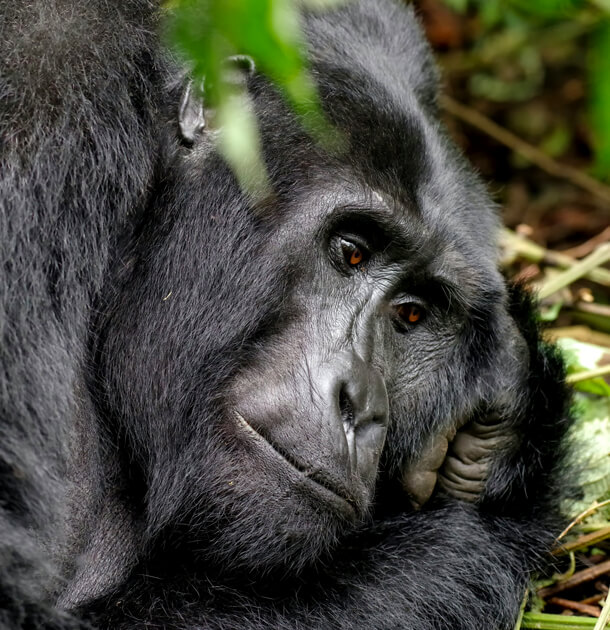
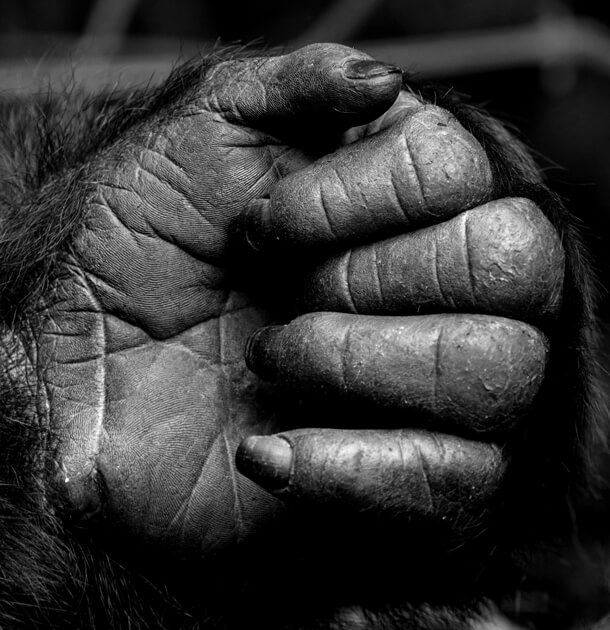
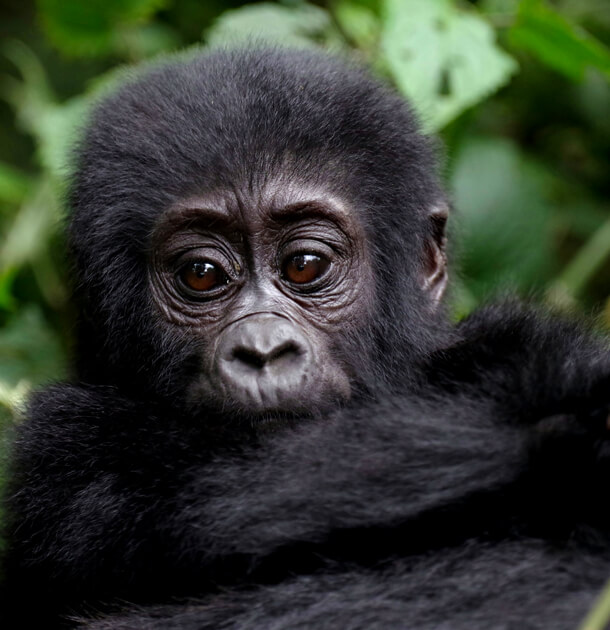
Track Mountain Gorillas
Few wildlife encounters compare to meeting mountain gorillas in the wild. In Rwanda’s Volcanoes National Park, expert trackers lead you through a cool, mist-covered forest where these rare primates live undisturbed. The trek itself is an experience—winding through bamboo and undergrowth, listening for signs of movement. When the moment comes, and you’re just meters away from a silverback and his family, it’s quiet and deeply personal. One hour feels both timeless and fleeting. A memory that stays with you.

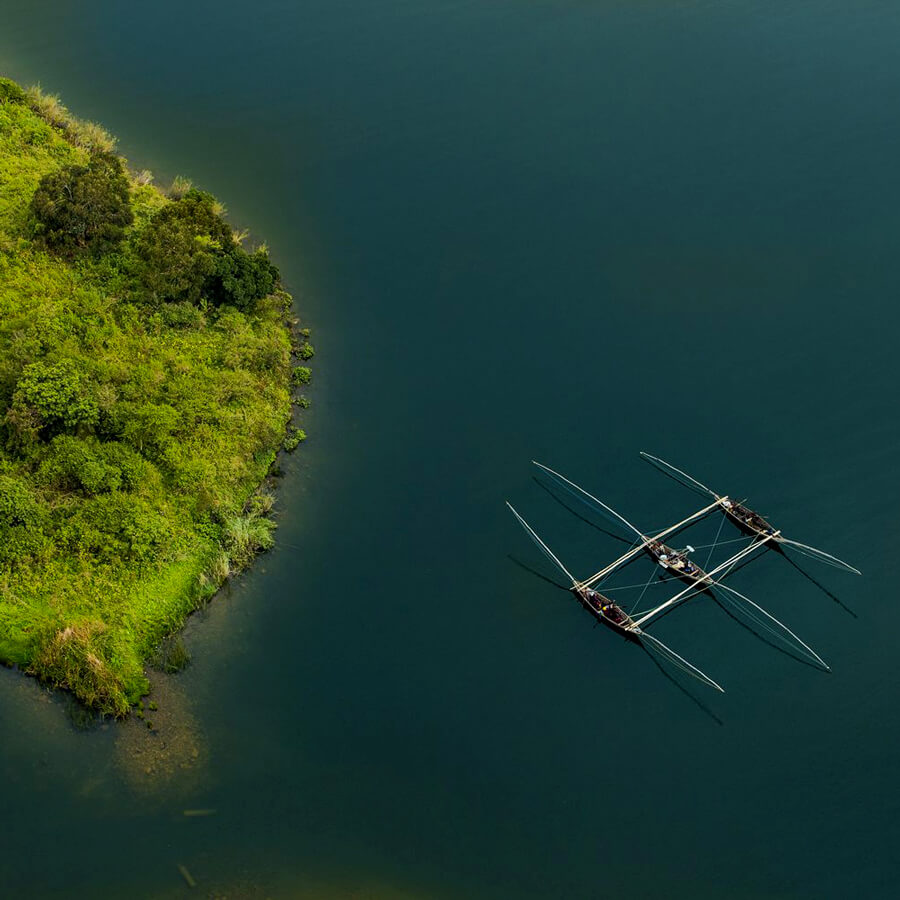
Glide Across Lake Kivu
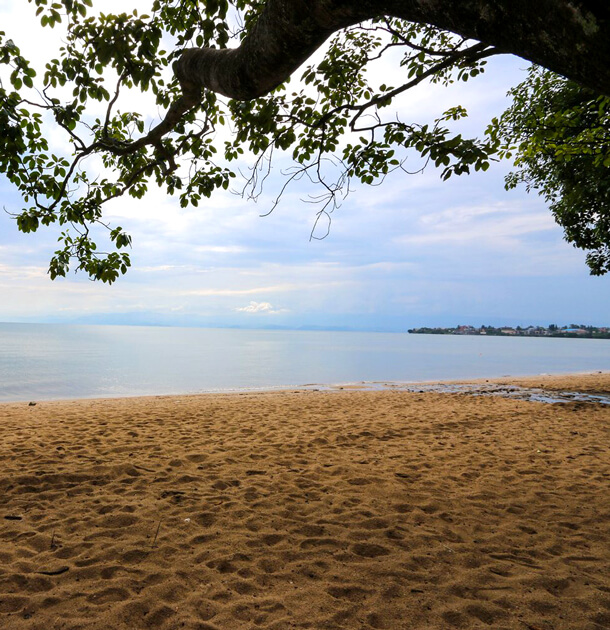
Lake Kivu is where time slows down. At sunrise, the lake lies perfectly still, with fishing canoes drifting past and hills glowing in soft light. You can paddle along the shoreline, enjoy a boat cruise, or simply relax at a lakeside lodge with a fresh catch on your plate and the scent of coffee in the air. Whether you're in motion or still, Kivu gives you room to breathe. It’s the ideal pause between Rwanda’s national parks—gentle, scenic, and grounding.
Explore Kigali’s Calm
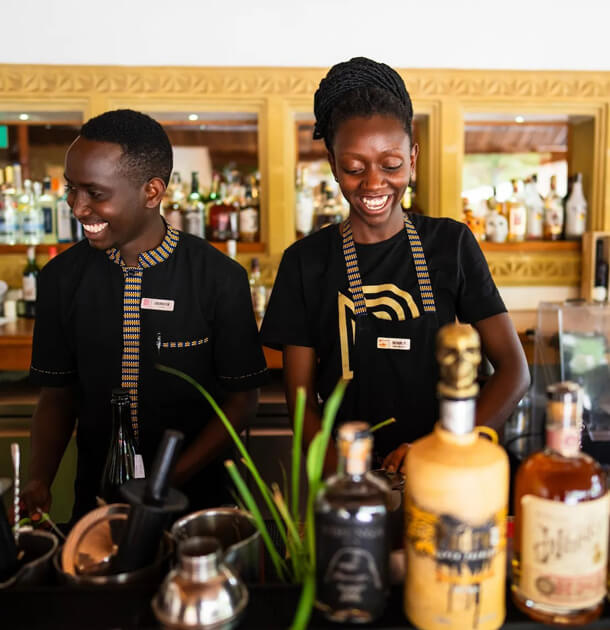
Rwanda’s capital is often described as clean and modern—but Kigali is also deeply welcoming. It’s a city shaped by resilience and vision, where tradition and progress meet. Spend time exploring artisan studios, local markets, and contemporary galleries, or unwind in a café with locally grown coffee. The Kigali Genocide Memorial is a must-visit—powerful, respectful, and profoundly moving. It offers context to Rwanda’s past, while showing how far the country has come. Kigali is the beginning and end of many journeys—for good reason.
Rwanda’s Other Side
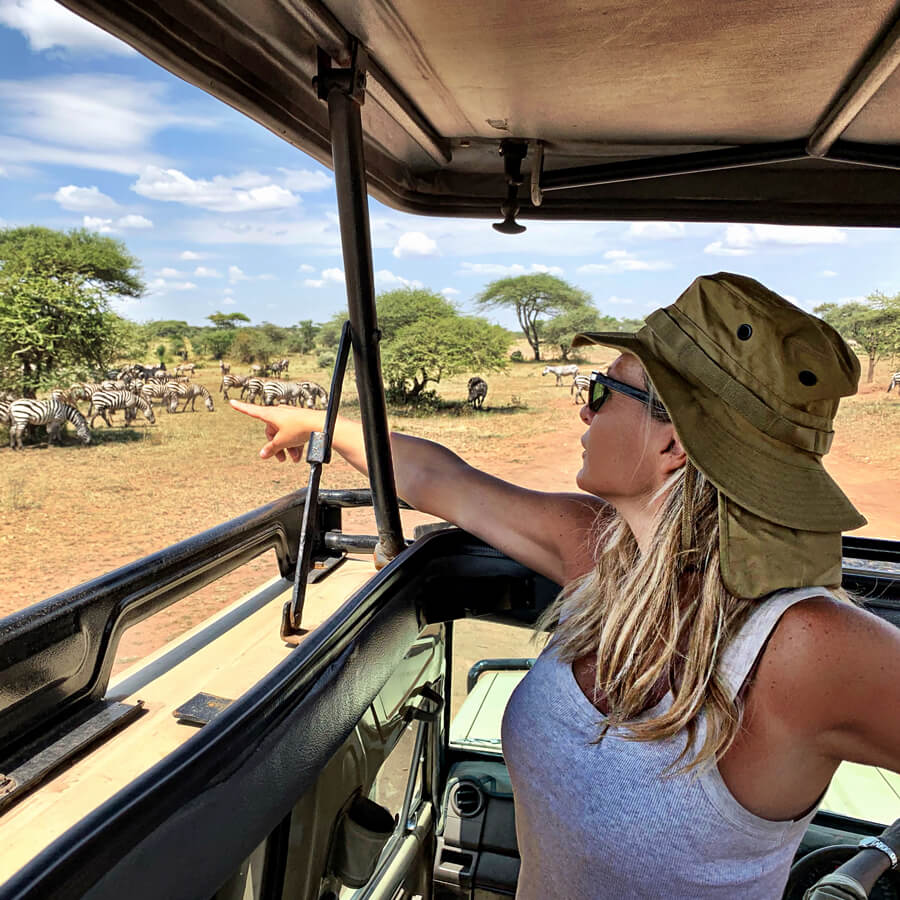
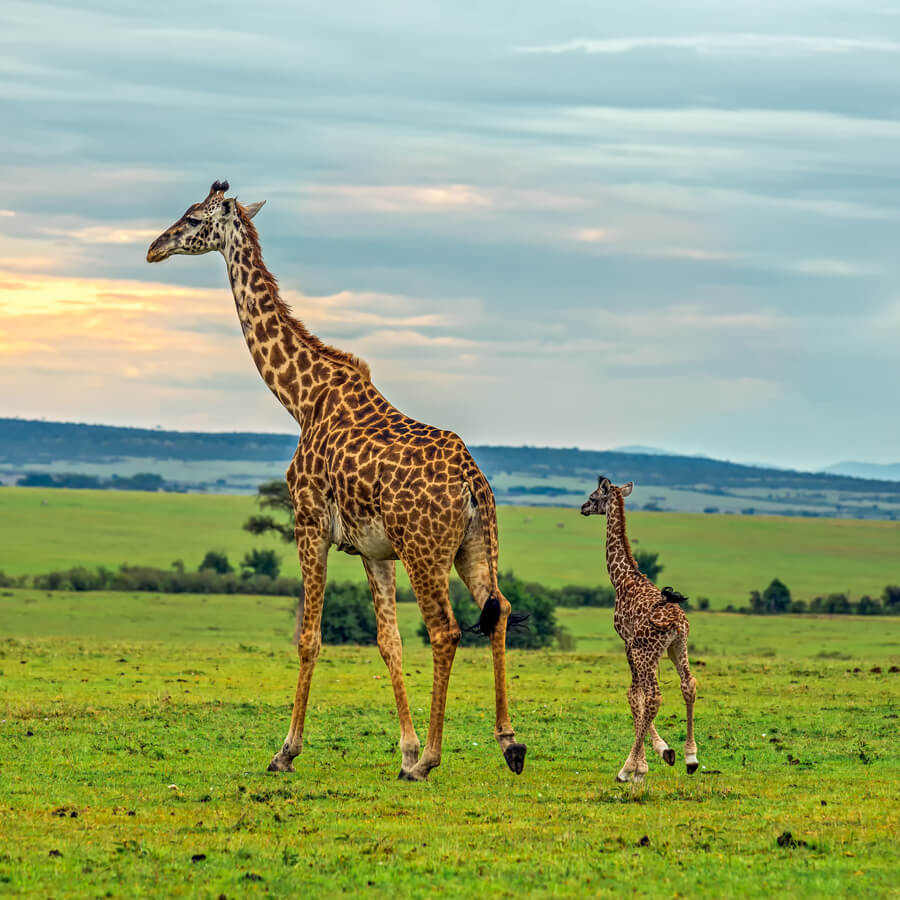
While mountain gorillas draw the spotlight, Rwanda’s wildlife story runs much deeper. To the east, Akagera National Park delivers classic safari scenes—lions, elephants, rhinos, and peaceful boat safaris on Lake Ihema. In the southwest, Nyungwe Forest offers an entirely different world: a misty rainforest alive with chimpanzees, colobus monkeys, and treetop walks suspended above the canopy. Together, these landscapes showcase Rwanda’s ecological diversity—where big game roam open savannahs and rare primates thrive in ancient, untouched forest.
Where to Explore in Rwanda
Discover diverse landscapes: from ancient gorilla forests to vast wildlife savannahs and mystical mountains. Experience profound nature and cultural connections.

Rwanda's Wild Kingdom
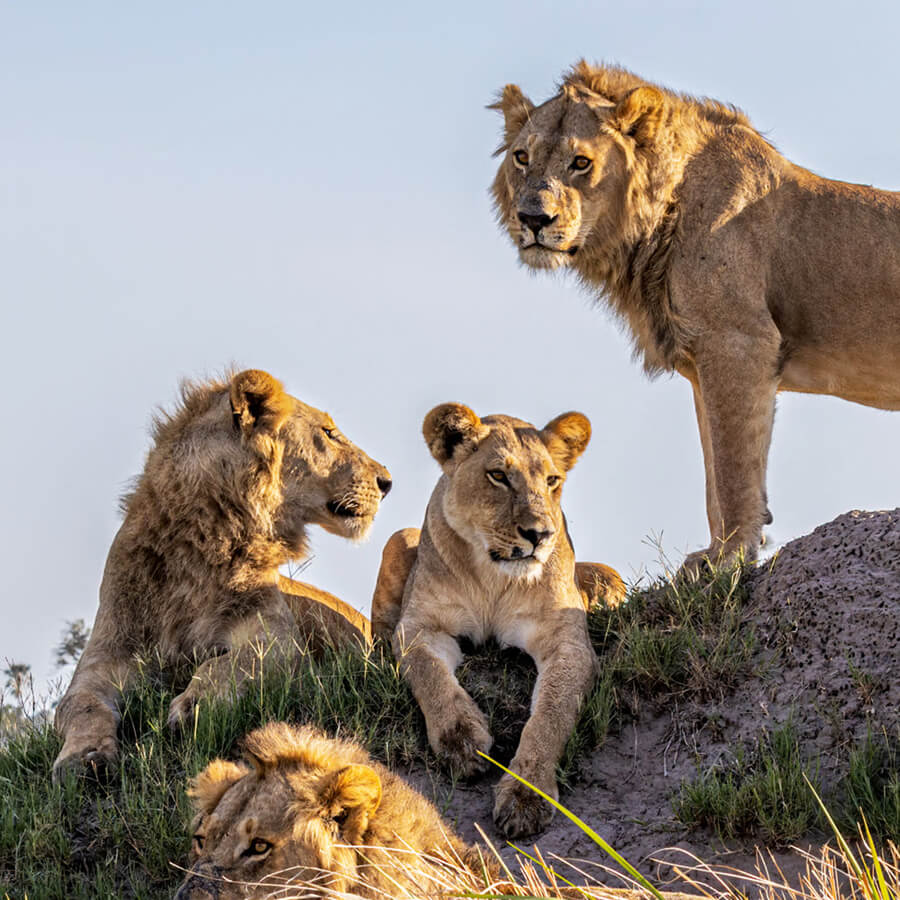
This wilderness, a mosaic of rolling plains, papyrus swamps, and serene lakes, encourages deep connection. Your journey unfolds through classic game drives to encounter the majestic Big Five; lion, leopard, elephant, buffalo, and rhino; witnessing their thriving presence. A tranquil boat safari on Lake Ihema brings intimate views of hippos, crocodiles, and prolific birdlife. This park, transformed, now serves as a powerful symbol of successful conservation, offering genuine immersion into Africa's vibrant spirit and profound natural beauty.

Diverse Wonders Unfold
This is a land where towering, mist-shrouded volcanoes create a breathtaking backdrop for Rwanda’s magnificent mountain gorillas. You step into an ancient, vibrant rainforest, a sacred space where these incredible creatures live. Your journey focuses on a profound gorilla trekking experience, witnessing family groups in their natural habitat – a moment of rare connection you will never forget. You can also track the lively golden monkeys, playful primates unique to these bamboo slopes. Explore the park’s beautiful trails and feel the living legacy of Dian Fossey's work.

A Primate Paradise
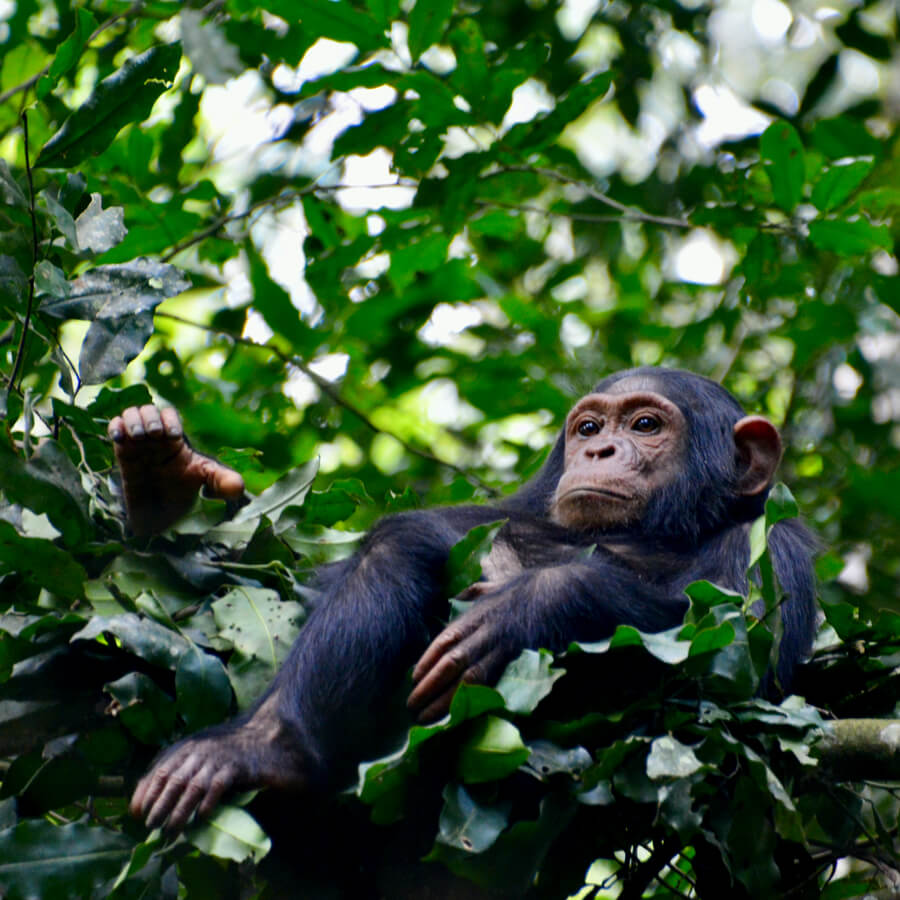
This expansive, emerald world wraps around you, revealing a vibrant ecosystem. Your adventure centers on chimpanzee trekking, offering close, authentic encounters with these remarkable primates in their wild home. You will also encounter numerous other primate species, adding layers to your forest immersion. Ascend to the exhilarating canopy walkway, a unique perspective high above the forest floor, unveiling its breathtaking scale. Explore diverse trails leading to hidden waterfalls and rich biodiversity, connecting deeply with this primeval, living sanctuary.

Chimpanzees, Birds, Golden Monkeys
A jewel reborn from extensive reforestation efforts. As Rwanda’s newest national park, it offers an intimate, off-the-beaten-path experience. Trek through its misty montane rainforest, a vital biodiversity hotspot, for captivating chimpanzee encounters. Spot playful golden monkeys and a remarkable array of endemic bird species amidst its unique flora.
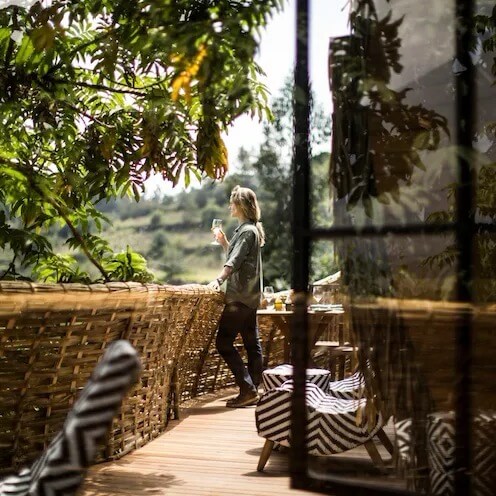
Thoughtful Stays
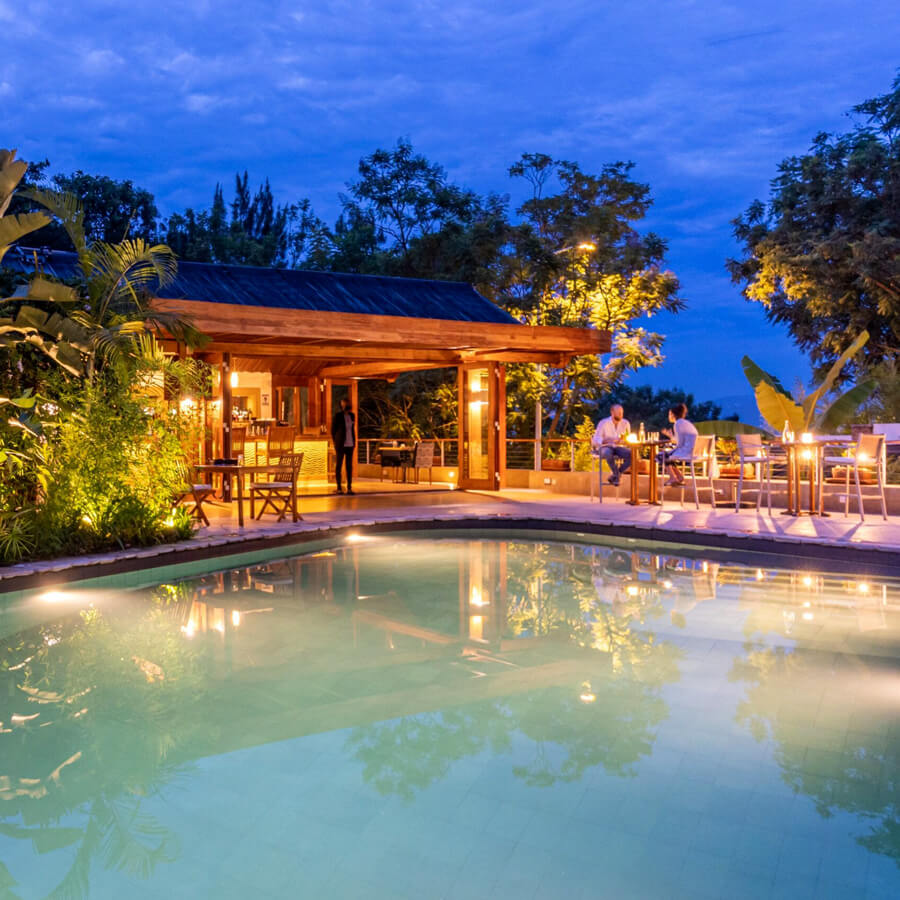
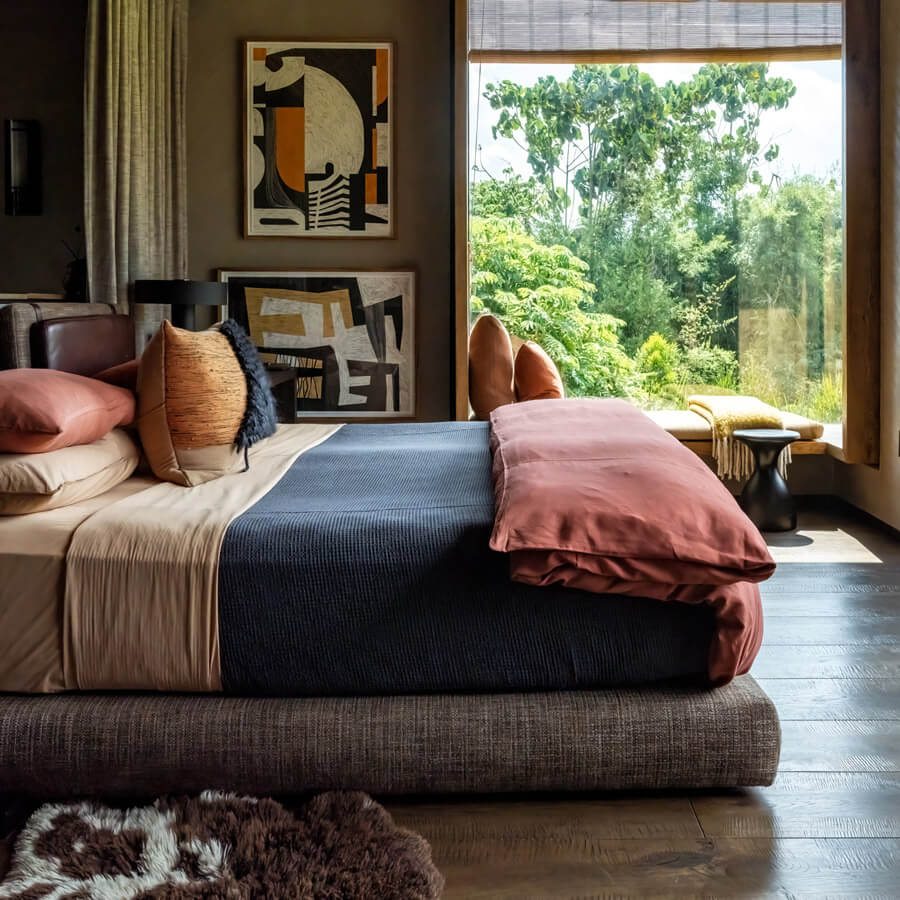
Our chosen lodges are more than just places to stay; they are an intrinsic part of your journey, designed with the same care and intention as our itineraries. Each is a haven, thoughtfully selected to echo the sense of place around it – from intimate forest sanctuaries to expansive savannah escapes.
Rwanda Travel Brief
01 | General
What does ‘Rwanda’ mean?
The name “Rwanda” is rooted in the local Kinyarwanda language—derived from a verb meaning “to expand” or “to widen.”
Where is Rwanda located?
Rwanda lies at the heart of East-Central Africa, bordered by Uganda, Tanzania, Burundi, and the Democratic Republic of Congo. Though landlocked, its lush hills, ancient forests, and glittering lakes create a landscape as rich as any coastal paradise.
What’s Rwanda’s time zone?
Rwanda operates on Central Africa Time (CAT), which is GMT+2—no daylight saving, just a steady rhythm year-round.
What’s the climate like?
Thanks to its high elevation, Rwanda enjoys a pleasantly temperate tropical climate. Daily temperatures in Kigali range from 12°C to 27°C. In the highland regions, such as Volcanoes National Park, mornings and evenings can be much cooler—perfect for cozy fireside evenings.
When is the best time to visit?
You can visit Rwanda all year. Gorilla trekking happens year-round, though the dry seasons—roughly June to September and December to February—offer easier hiking conditions. Akagera’s wildlife is best viewed during the drier months, when animals gather near water.
What’s Rwanda’s culture like?
Rwanda is home to several cultural groups, most notably the Hutu, Tutsi, and Twa. Community life is built on respect, hospitality, and resilience. Traditional music, dance, and storytelling remain central to Rwandan identity, even as the country embraces modern innovation.
Will I be able to use my credit card?
Yes, Visa and MasterCard are generally accepted across most premium destinations, including lodges. It’s advisable to carry some local currency for tips or small purchases in rural areas.
What should I wear on safari?
Pack light layers and neutral tones. Bright colors and white are discouraged on game drives and treks. Lightweight, breathable clothing works best for the day, while a jacket or fleece is useful in the evenings. Comfortable walking shoes or boots are a must.
What should I wear for gorilla trekking?
The forest is damp and cool. Long trousers, long sleeves, waterproof jackets, and sturdy hiking boots are recommended. A hat and gloves are useful for warmth and protection from nettles or thorns along the trail.
What kind of food can I expect?
Rwandan cuisine is fresh, flavorful, and often locally sourced. Look out for dishes like Liboke (banana leaf-wrapped chicken), Sambaza (crispy local fish), coconut tilapia, and Kachumbari, a vibrant tomato and onion salad. Our chefs combine local ingredients with international flair to create memorable dining experiences in camp.
What about power and charging?
Lodges in Rwanda offer reliable electricity. Power is drawn from the national grid and supported by a generator. Multi-plug adaptors and USB ports are available in every villa. Other lodges run on solar with generator backup. If you rely on medical devices like a CPAP machine, just let your Journey Expert know in advance so we can prepare.
02 | Visa & Permits
Visa Requirements
Most visitors to Rwanda require a visa, but the process is simple and traveler-friendly. Citizens of Commonwealth nations, the African Union, and Francophone countries can obtain a free 30-day tourist visa on arrival. If you’re travelling from elsewhere, your Journey Expert will guide you through the appropriate visa application process well before your departure.
Gorilla Trekking Permits
A gorilla trekking permit is required for anyone visiting Volcanoes National Park to see mountain gorillas. These permits are limited in number and must be booked in advance through the Rwanda Development Board. Your Journey Expert will handle all arrangements on your behalf and advise you on available options—whether you prefer a standard trek, a discounted permit (available seasonally), or a private experience. Proceeds from permits directly support conservation and local communities.
Additional Permits & Park Fees
Several other experiences across Rwanda also require permits or park entry fees:
Golden Monkey Trekking – Requires a separate permit for Volcanoes National Park.
Chimpanzee Trekking in Nyungwe – Needs prior permit booking, with small group sizes for conservation.
Nyungwe Canopy Walk – Includes an access fee, usually bundled with your forest itinerary.
Akagera National Park – Entry fees apply, along with optional permits for boat safaris, night drives, and behind-the-scenes conservation activities.
03 | Health & Travel Essentials
COVID-19 Travel Guidelines
Rwanda continues to follow internationally recognised health protocols in line with the World Health Organization. Entry requirements may include proof of vaccination, testing, or completion of health forms, depending on current regulations. Your Journey Expert will provide up-to-date guidance to ensure a smooth arrival.
Yellow Fever Requirements
Rwanda itself does not require a yellow fever certificate for entry. However, if your journey includes travel to or from Kenya, Uganda, or other yellow fever-endemic countries, you may be asked to show proof of vaccination. We recommend confirming this with your travel clinic in advance.
Malaria Prevention
Rwanda’s malaria risk varies by region. Areas at higher elevation—like Volcanoes National Park and Kigali—pose little to no risk. However, malaria prevention is recommended for visits to low-lying areas such as Akagera National Park. Please consult your medical provider several weeks before departure, as some medications must be started in advance.
Recommended Vaccinations
Routine vaccinations should be up to date, including Tetanus, Hepatitis A and B, Typhoid, and MMR (Measles-Mumps-Rubella). Some travelers may also be advised to get a rabies vaccine, depending on the length and nature of their stay. Your healthcare provider will help determine what’s best for you.
Altitude Considerations
Parts of Rwanda, especially in the north and west, sit at elevations of 1,500 to 2,500 meters. Most guests adjust quickly, but you may feel mild fatigue or shortness of breath on arrival. Staying hydrated, avoiding alcohol initially, and taking it slow for the first day or two is generally all that’s needed.
Water & Food Safety
Tap water is not recommended for drinking. Bottled or filtered water is provided throughout your journey, and all meals at Apes of Africa properties meet international hygiene standards. If exploring local cuisine independently, choose cooked foods over raw vegetables and unpeeled fruit.
Travel Insurance & Emergency Support
We strongly advise comprehensive travel insurance that includes medical cover and emergency evacuation. Though Rwanda has excellent private medical facilities in Kigali, remote regions may require air evacuation in rare cases. Our team maintains 24/7 support and is fully prepared for any health-related contingencies during your stay.