
Overview
Walking into Rwanda’s mountain forests to see gorillas is a truly special encounter. It’s a chance to connect with nature on a deep level, rarely found elsewhere. As you start thinking about this journey for 2025 or 2026, knowing what to expect and how to prepare will make all the difference.
This guide lays out everything you need to know, helping you prepare for a meaningful and well-organized trip.
1. Getting Your Gorilla Permit
Your gorilla permit is what lets you enter Volcanoes National Park to track gorillas. Rwanda is very serious about protecting these animals, and limiting permits (only 96 each day, for 12 gorilla groups) helps keep disturbance low for the gorillas and ensures a personal experience for you.
Permit Cost for 2025/2026
Visitors from outside East Africa: US$1,500 per person for one trek.
Foreign Residents (with valid work permits): US$500 per person.
East African Citizens: US$200 per person.
Specific Options (check if these are still valid for your travel dates):
Family Group: 15% off for couples and their children (15 and older).
Company Groups: 10% off for groups of 30 people or more.
Private Trek: US$15,000 for your own gorilla group with dedicated guides.
“Behind the Scenes”: US$30,000 for at least 3 people over 3 days, offering a closer look at conservation work.
(Please confirm at time of booking, as rates can change)
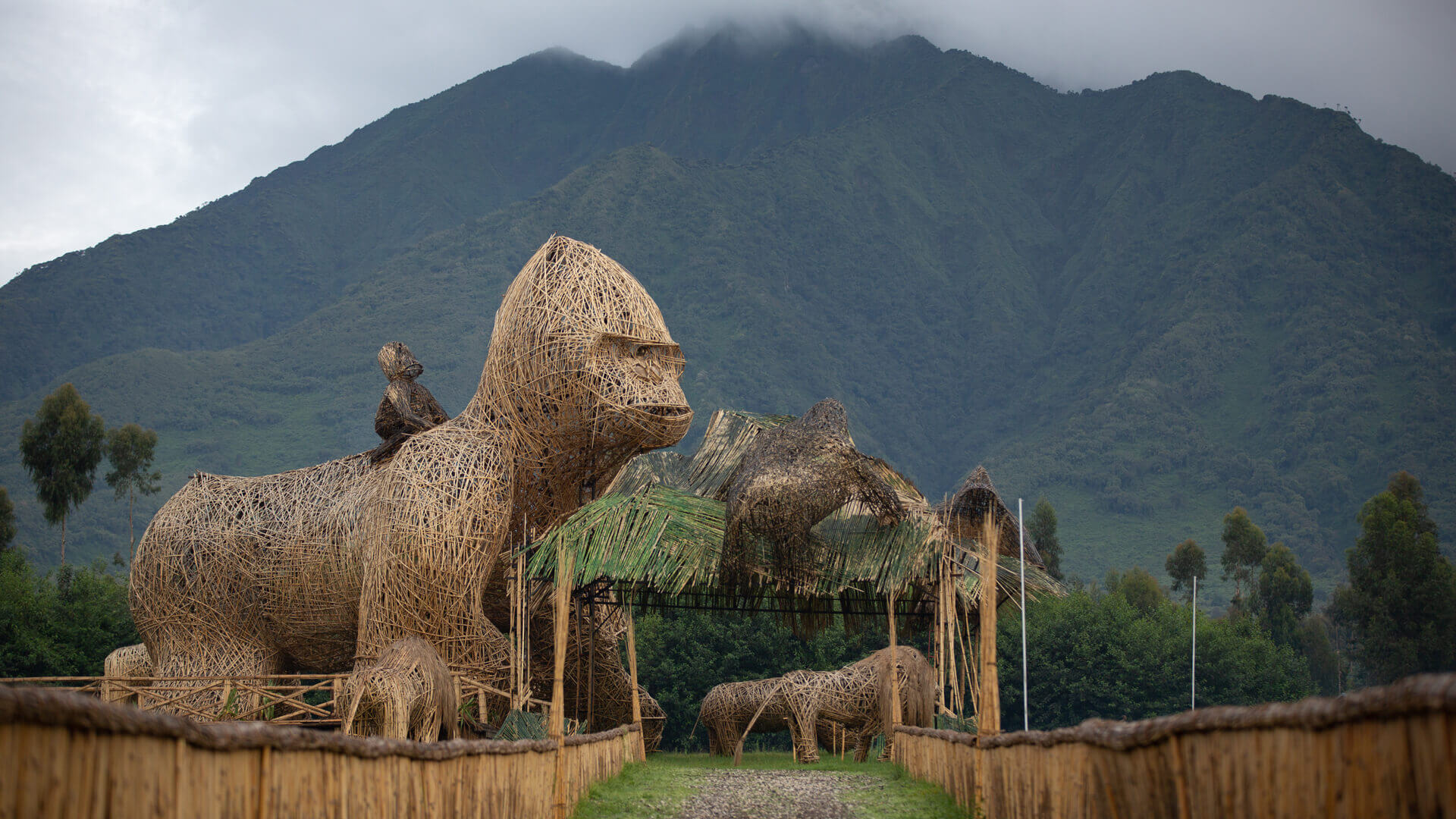
How to Get Your Permit
Option 1: Booking Directly with Rwanda Development Board (RDB)
You can try booking through the IREMBO government website, Rwanda’s official online service. This involves picking your date, filling out forms, uploading documents (like a passport copy), and paying online.
Good for: Direct control.
Things to note: Can be tricky for people outside Rwanda, sometimes payment issues come up, and seeing real-time availability can be hard. Permits are given out in the order requests are received.
Option 2: Booking with Apes of Africa Journeys
This is the easiest and most reliable way to secure your permit.Good for:
Clear Advice: We help you pick the best dates based on what’s open and your trip plans.
No Fuss: We handle all the communication with RDB, paperwork, and payments.
Full Trip Help: The permit is just one part of your trip, which we organize to include transport, places to stay, and guides.
Possible Last-Minute Spots: Because we handle many bookings, we sometimes have permits available even when they look sold out directly.
How Apes of Africa Journeys helps:
Tell Us Your Dates: Let us know when you’d like to go.
We Check Availability: We quickly confirm if permits are open for your dates.
Payment & Details: Once confirmed, you pay a deposit for the permit and share your passport information (full name, passport number, country) needed for the RDB application.
Permit Secured: We get your permit and send you a copy. You’ll get the original when you arrive or from your guide at the park.
When to Book: Gorilla permits are in high demand. With only 12 gorilla groups open for visits (and 8 people per group daily), only 96 permits are given out each day. It’s best to book your permit at least 3 to 6 months ahead, especially if you’re traveling during the drier months (June-October, mid-December-February) or with a larger group. Booking early helps ensure you get the date you want.
2. Best Time for Your Visit to Volcanoes National Park
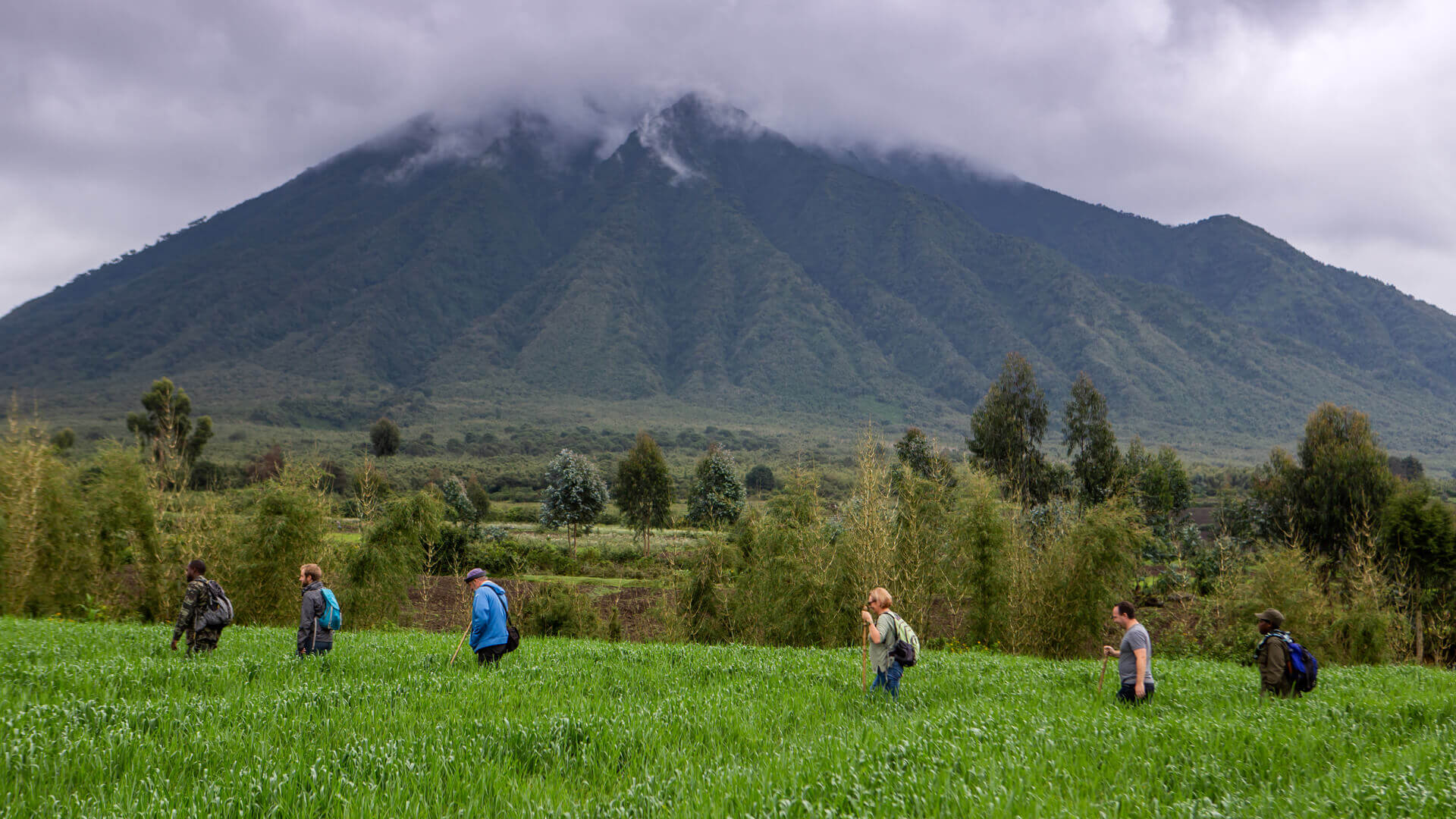
Volcanoes National Park, a high-altitude rainforest, has two main seasons that affect trekking conditions:
Drier Times (June to August & Mid-December to February):
Benefits: Generally the preferred time. Less rain means trails are drier and less slippery, making the walk easier. Skies are often clearer, good for photos. These are also busier travel periods.
Considerations: Permits sell out quicker, and lodging might cost more.
Wetter Times (March to May & September to November):
Benefits: The forest looks especially green and vibrant, which is great for photos. Fewer visitors mean a calmer experience, and permits might be easier to get.
Considerations: Trails can be very muddy and tough to walk on. Rain is common, sometimes daily. Still, gorillas are active, and many find the misty rainforest atmosphere during rain to be quite special.
Important Point:
Because it’s a high-altitude rainforest, rain and mist can happen at any time of year, even during the “drier” months. Always be ready for wet conditions. Park trackers are very skilled, so there’s a 99% chance you’ll see the gorillas, no matter the weather.
3. What to Pack for Your Gorilla Walk
Having the right gear is vital for a comfortable and enjoyable gorilla trekking trip. The ground can be challenging, with thick plants, mud, and changing weather.
Clothes (Think Layers!):
Long-Sleeved Shirt: Pick something light, breathable, and quick-drying in muted colors (khaki, green, light brown). This protects your skin from scratches, stinging plants, and insects. Avoid bright colors or dark blue/black, which can draw tsetse flies.
Long Trousers: Durable, light, and ideally water-resistant. Tuck them into your socks or gaiters. This stops insects (like fire ants) from crawling up and protects you from thorny bushes and nettles.
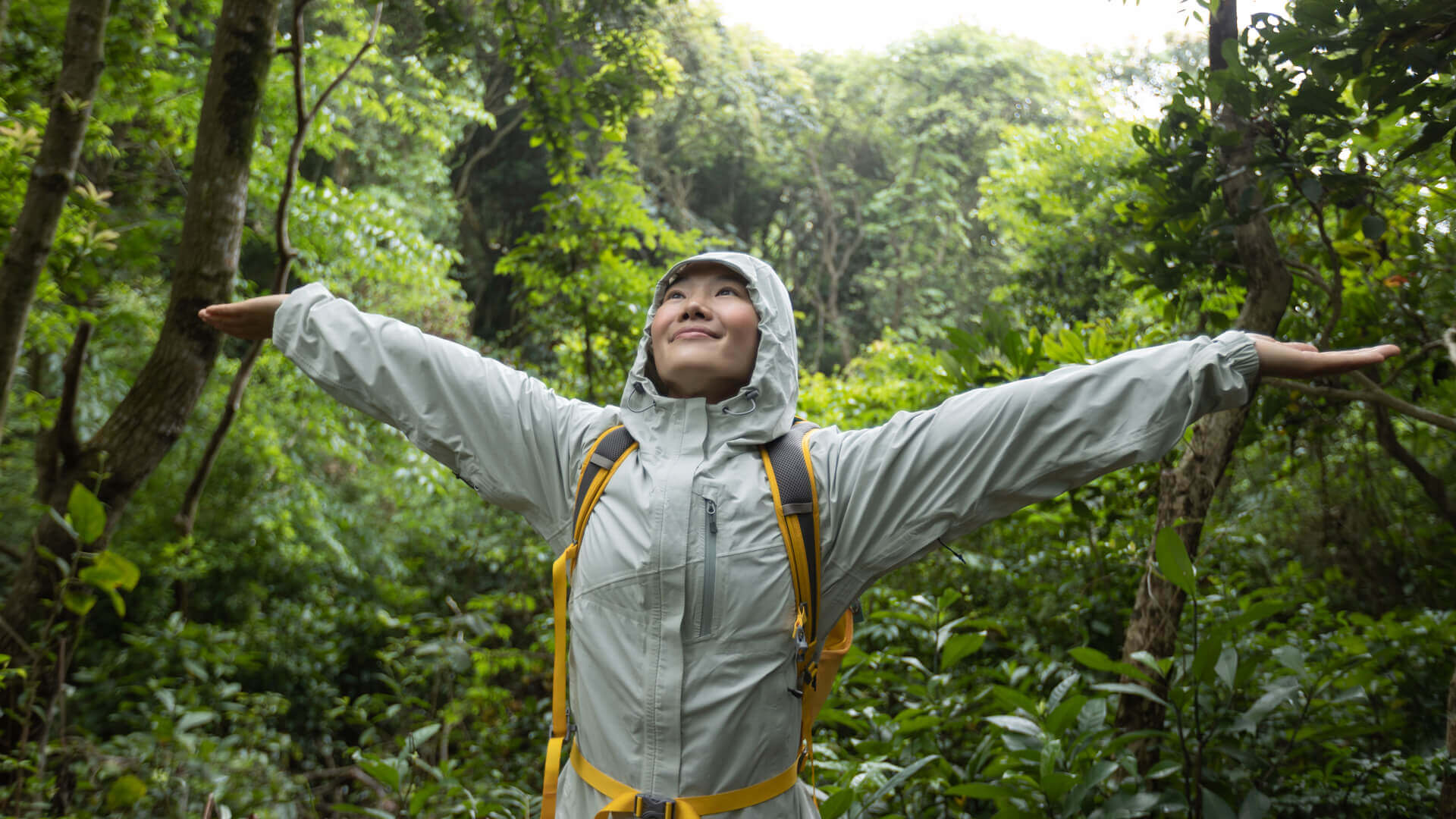
Light Rain Jacket or Poncho: Essential for unexpected downpours.
Warm Layer: A fleece or sweater for cool mornings, higher elevations, and possibly chilly evenings.
Footwear:
Strong, Waterproof Hiking Boots: The most important item. Make sure they’re broken-in (to avoid blisters) and offer good ankle support and grip for muddy, slippery paths. Do not wear sneakers or sandals.
Thick Hiking Socks: For comfort, warmth, and blister prevention.
Protection & Other Items:
Gaiters: Highly recommended! These fabric covers go over your boots and lower legs. They are incredibly useful for keeping out mud, water, stinging plants, thorns, and insects. Many lodges offer them to borrow or rent – check with Apes of Africa Journeys.
Tough Gardening/Leather Gloves: Crucial! You’ll often need to grab branches or vines for balance on steep, slippery spots. These protect your hands from thorns, sharp leaves, stinging plants, and mud.
Wide-Brimmed Hat: Shields you from sun and rain.
Sunscreen & Bug Spray: Apply well before starting.
Reusable Water Bottle (2-3 Liters): Stay hydrated. Your travel company usually provides bottled water.
Small Waterproof Backpack (or with a rain cover): To carry your water, snacks, camera, and rain gear, keeping your hands free.
Camera & Extra Batteries/Memory Cards: You’ll want to capture these moments! A mid-range zoom lens is often good. Bring a cloth to wipe away mist or rain from your lens. Remember: No flash photography near gorillas.
Walking Stick/Trekking Poles: Often available at the park office for free. They help with balance on rough ground.
Personal Medicines: Any prescriptions you need. Pack a small basic first-aid kit (bandages, antiseptic wipes, pain relievers, blister treatments).
Snacks: Energy bars or fruit for a boost during the walk.
Cash (small notes): For tipping your guide, porters, and security staff (they appreciate it greatly).
Your Passport: You’ll need it for verification at the park office.
4. How Fit Do You Need to Be?
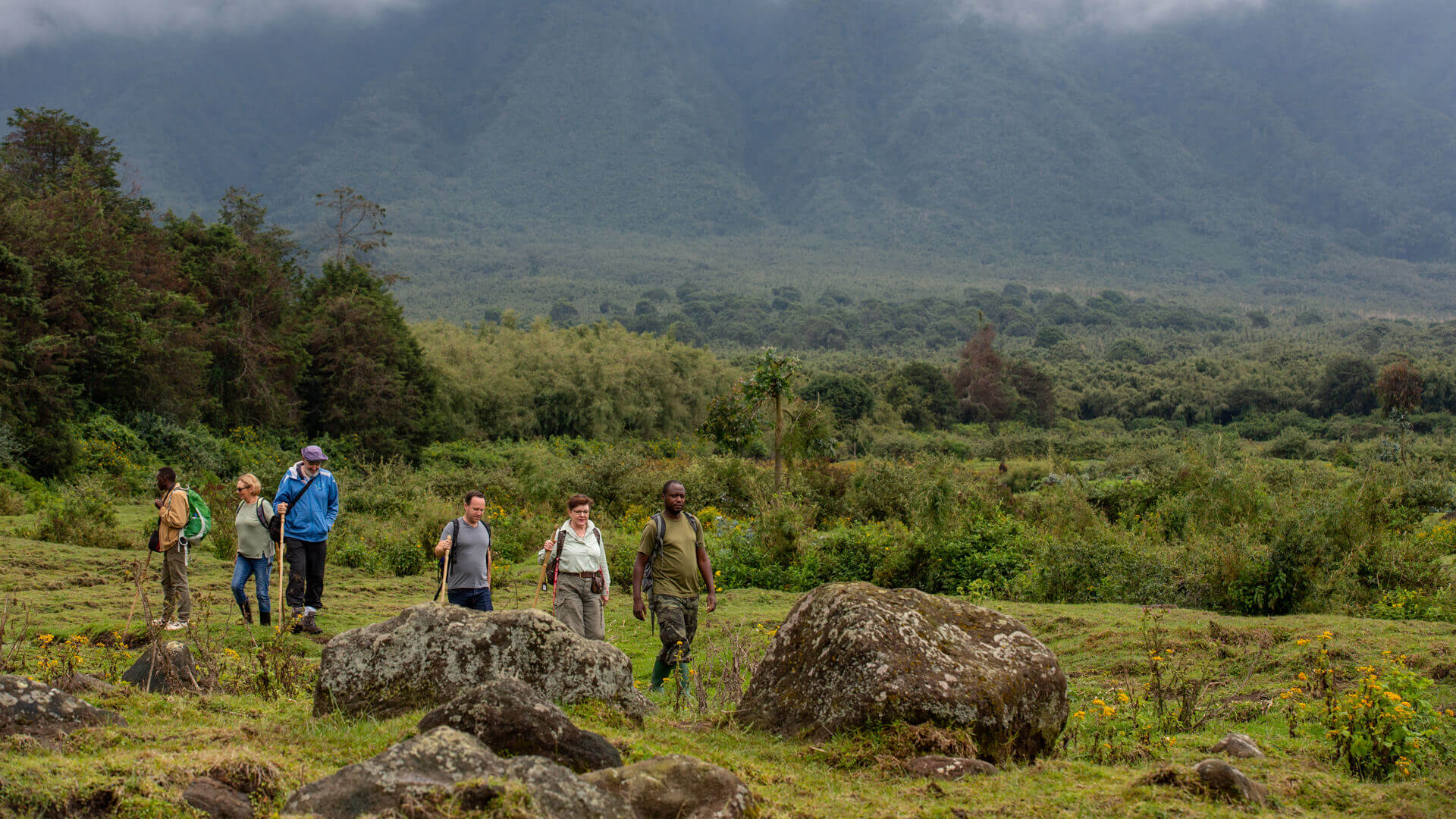
Walking to see gorillas in Volcanoes National Park is an active experience, and it can be physically demanding. While you don’t need to be an athlete, being in moderate to good physical shape will make your trek more comfortable and enjoyable.
The Ground: Expect to walk through dense forest, often without clear paths, over rough, muddy, and steep slopes. You might need to climb over roots, rocks, and push through thick plants.
Altitude: The walks happen at heights from 2,500 to 3,000 meters (about 8,200 to 9,800 feet). The thinner air can make you feel out of breath, even if you’re fit.
How Long It Takes: Walks can vary widely, from as little as 30 minutes to over 9 hours (including the way back), depending on where the gorilla family is that day. You get to spend strictly one hour with the gorillas once you find them.
Getting Ready:
Start a regular fitness routine 6-8 weeks before your trip.
Do cardio like brisk walking, jogging, or cycling (30-45 minutes, 3-4 times a week).
Strengthen your legs and core with exercises like squats, lunges, and planks.
Practice hiking on uneven or hilly ground, or use a treadmill with an incline, perhaps carrying a small backpack (5-8 kg) to get used to the weight.
Think about yoga or stretching to improve flexibility.
If possible, arrive in Rwanda a day or two early to get used to the altitude. Stay hydrated and avoid alcohol the night before.
Help Available:
Porters: We strongly suggest hiring a local porter (around US$10-15). They carry your bag, offer a steady hand on slippery parts, and provide great support. Hiring a porter also directly helps local families and communities, providing them with income and a reason to protect the forest and its animals. It’s a direct way your visit contributes to a sustainable future for both people and gorillas.
Sedan Chairs: For those with major walking difficulties, injuries, or older travelers, special chairs (carried by a team of porters) can be arranged. This makes the trek possible for almost anyone, for an extra cost (usually US$300-500). If you think you’ll need this, tell Apes of Africa Journeys well in advance.
Group Assignment: The morning briefing starts at 7:00 AM at the Kinigi park office (bring your permit and passport for check-in). Before the official briefing, you’ll often be welcomed by local traditional dancers and offered tea or coffee, adding a warm, cultural start to the day. Trekkers are then assigned to one of the 12 gorilla families. You can ask for an easier or harder walk based on your fitness (e.g., the Sabyinyo group is often closer, while Susa can be tougher), but final decisions depend on the gorillas’ location that day and what the park rangers think is best for your group.
5. Protecting Yourself and the Gorillas
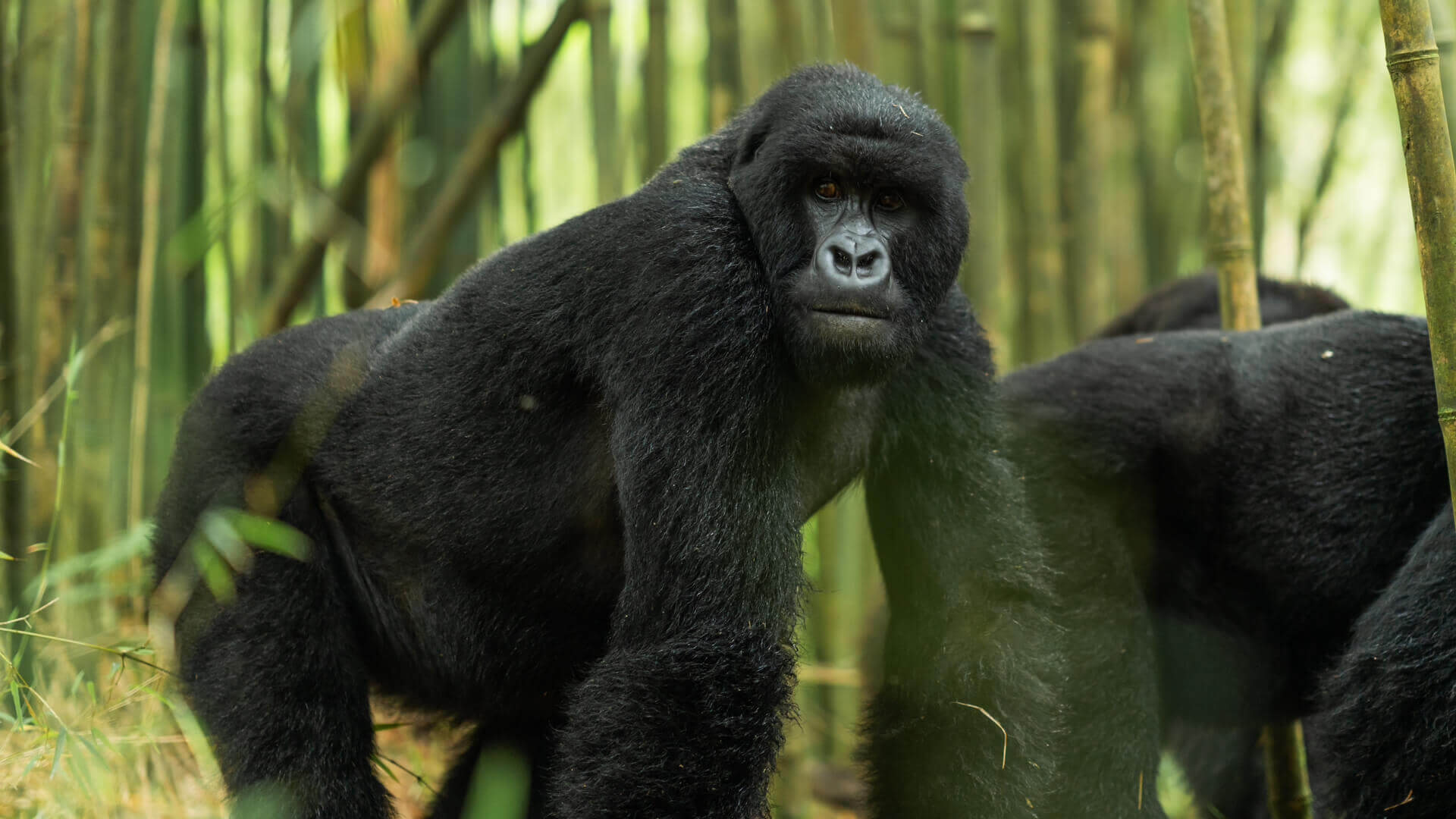
Your health and the gorillas’ well-being are paramount. Mountain gorillas share much of our DNA, making them vulnerable to human illnesses like a common cold or flu.
Vaccinations & Health Check:
Yellow Fever: A Yellow Fever vaccination certificate is mandatory for entry into Rwanda. Get this at least 10 days before your trip.
Routine Vaccinations: Ensure your routine shots (measles, polio, tetanus, hepatitis A, typhoid) are up-to-date. Consult your doctor for personalized advice.
Malaria: Rwanda is a malaria-risk area. Speak to your doctor about anti-malarial medication and prevention.
Illness Policy: If you show any signs of illness (coughing, sneezing, fever, flu-like symptoms) on the day of the trek, you will not be allowed to go, and your permit is non-refundable. This strict rule is for the gorillas’ protection. Inform your tour operator immediately if you feel unwell before your trip.
During the Trek:
Distance: Always keep at least 7 meters (about 23 feet) away from the gorillas, even if they approach you.
Behavior: Avoid direct eye contact (especially with a silverback, as it can be seen as a challenge), sudden movements, or pointing. If a gorilla approaches, crouch down, make yourself small, and look away to show submission. Never run.
Hygiene: Use hand sanitizer before and after the trek. If you need to cough or sneeze, turn your head away from the gorillas and cover your mouth.
No Eating/Drinking/Smoking: Do not do these in the presence of the gorillas to avoid attracting them or transmitting germs.
Armed Rangers: Your trekking group will be accompanied by park rangers, some of whom are armed. Their role is primarily for your safety against any wild animals in the forest (like elephants, though encounters are rare), not the gorillas. They are well-trained and communicate with trackers who locate the gorilla families.
Stay with Your Group: Always remain with your group and follow your guide’s instructions. They are experts in gorilla behavior and forest navigation.
No Littering: Carry out everything you carry in. Leave no trace.
Photography Etiquette: While photos are encouraged, flash photography is strictly forbidden as it can startle or upset the gorillas. Be mindful of others in your group and your precious one hour – try to take your shots efficiently and then simply observe.
6. Getting to Volcanoes National Park
Volcanoes National Park is in Musanze district (once called Ruhengeri) in northwest Rwanda, and it’s easy to reach from the capital, Kigali, thanks to good roads.
By Road (Most Common & Best Way):
Time: About 2-3 hours drive from Kigali. The roads are mostly paved and well-kept.
Choices:
Private Car with Travel Company: This is the most popular and simple choice for gorilla trekkers. Apes of Africa Journeys provides comfortable 4×4 vehicles with skilled, English-speaking driver-guides. This gives you flexibility, comfort, and chances to stop for photos on the scenic drive. Your guide will also manage all park details.
Public Bus: This is the cheapest option. Buses run daily from Kigali’s Nyabugogo bus station to Musanze town. But, important to know: public buses don’t go directly to the park office in Kinigi. From Musanze, you’ll need to find a private taxi or motorbike taxi (boda-boda) for the last 25-30 minute drive to Kinigi, which can be hard to arrange very early in the morning (for the 7:00 AM briefing).
Driving Yourself/Renting a Car: Possible, but often not suggested for first-time visitors. You might face unfamiliar roads in the dark early morning, and a professional safari driver also acts as a knowledgeable guide, making your trip better.
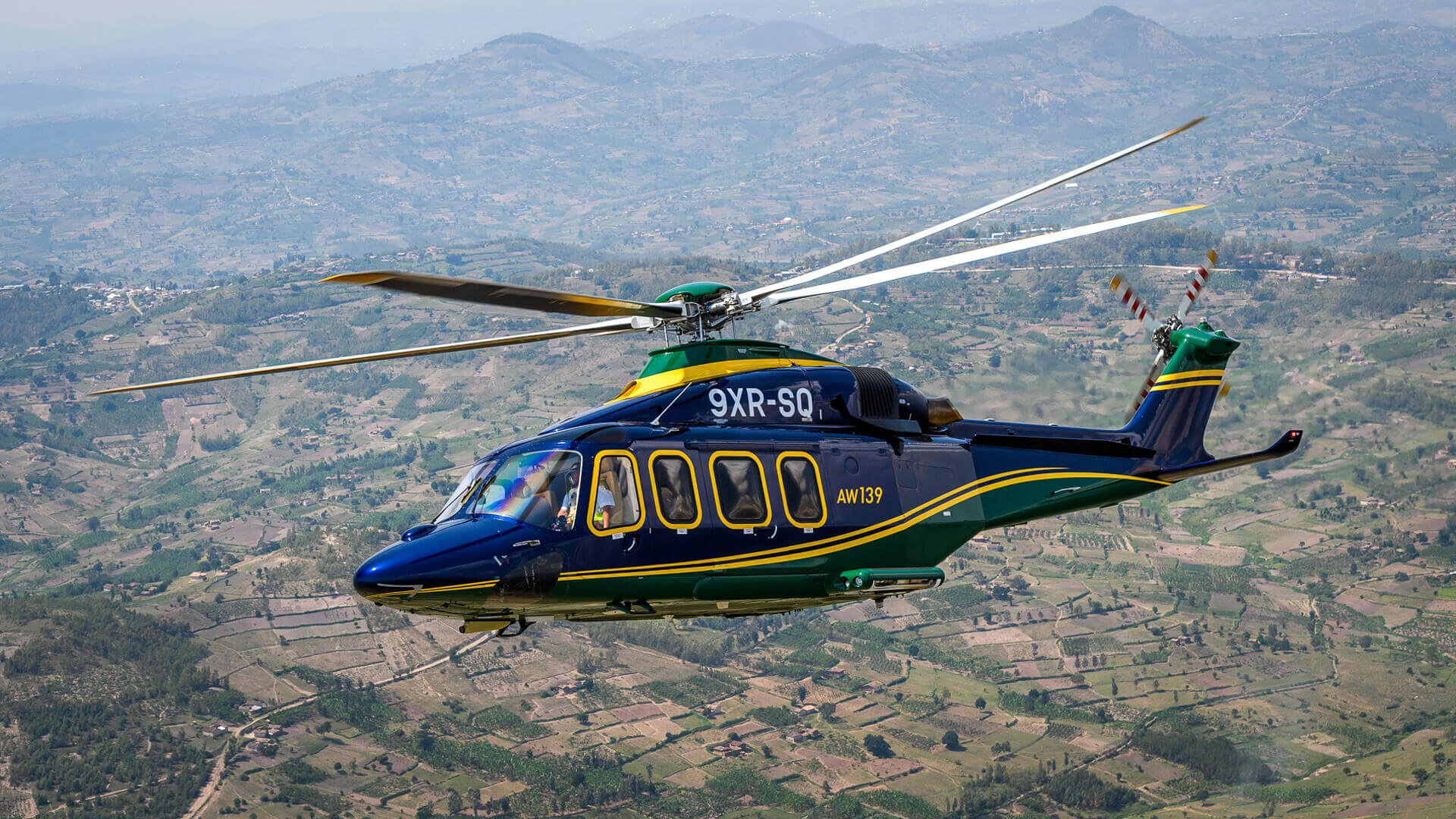
By Air (Luxury & Fastest):
Time: About a 30-minute helicopter flight.
Company: Akagera Aviation is the primary operator offering planned helicopter trips from Kigali International Airport (KGL) to Musanze Airstrip.
Benefits: Amazing views of Rwanda’s “land of a thousand hills” and the Virunga Mountains from above. Good for those with limited time or wanting a top-tier transfer.
Considerations: Much more expensive than driving. From Musanze Airstrip, it’s still a 25-minute drive to the park office in Kinigi, which your travel company would arrange.
The morning briefing for gorilla trekking starts sharp at 7:00 AM at the Kinigi park headquarters. This means you’ll need a very early start from Kigali if you plan to drive the same morning, or ideally, stay in Musanze the night before.
7. Money, Visas, and Staying Connected
A few practical details to smooth your journey:
Currency: The local currency is the Rwandan Franc (Rwf). US Dollars are widely accepted in the tourism industry, especially for larger payments like park fees or lodge bills. It’s helpful to carry some smaller US Dollar notes and local currency for tips, souvenirs, or smaller purchases from local shops.
ATMs & Cards: ATMs are mainly found in Kigali and other major towns. Credit and debit cards (Visa more widely than Mastercard) are accepted in larger hotels and tourist businesses, but cash is king for many local services. Ensure your dollar bills are clean and newer (post-2006) as older or torn notes may be refused.
Visas: Most visitors will need a visa for Rwanda. Please check the current visa requirements for your nationality well in advance of your trip. You can usually apply for an e-visa online or get one on arrival for many nationalities.
Mobile & Internet: Mobile phone networks are generally good, especially in populated areas and around the park. Many lodges offer Wi-Fi, though connectivity can sometimes be slower due to their remote locations. Local SIM cards are inexpensive and easy to get if you have an unlocked phone.
Tipping Guidelines: Tipping is customary and much appreciated. While amounts are at your discretion, here are some general suggestions (per person, per day/trek):
Main Guide/Park Ranger: US10−US20 per trek
Trackers/Security (shared pot): US5−US15 per trek
Porters: US10−US15 per trek
Driver-Guide (if part of your safari): US10−US20 per day
Lodge Staff (general tip box): US5−US10 per stay, or as you feel appropriate.
8. How Tourism Helps
The cost of your gorilla permit, while significant, directly contributes to the survival of mountain gorillas and the well-being of local communities.
Direct Conservation: A large portion of your permit fee goes directly to fund anti-poaching patrols, scientific research, gorilla veterinary care, and the salaries of the dedicated park rangers and trackers who protect these animals daily.
Community Benefits: Rwanda has a revenue-sharing program where a percentage of tourism income from gorilla permits is channeled directly back into local communities surrounding Volcanoes National Park. This money helps build schools, health clinics, and clean water projects, and supports local businesses. This creates a tangible benefit for local people, fostering a deeper appreciation for conservation and reducing human-wildlife conflict. By choosing to trek, you become a part of this vital conservation success story.
9. More to See Around Musanze
While the gorillas are the main draw, the area around Volcanoes National Park offers other compelling experiences that can enrich your visit and extend your stay:
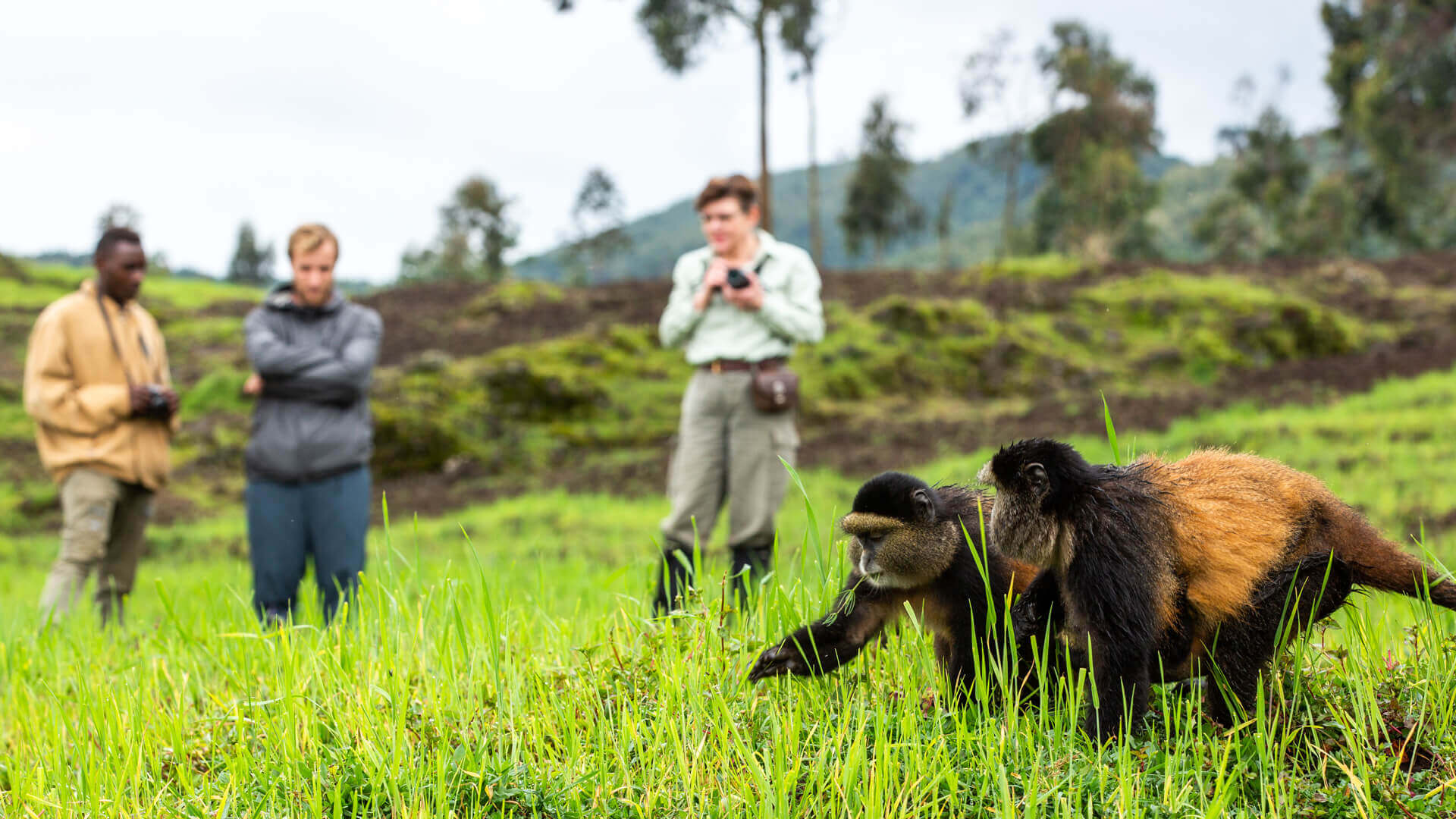
Golden Monkey Tracking: A less strenuous trek to see these playful, endangered primates, often found at the forest edge.
Dian Fossey Grave Hike: A poignant trek to the former Karisoke Research Center and the gravesite of the pioneering primatologist Dian Fossey, offering insights into her life and critical work.
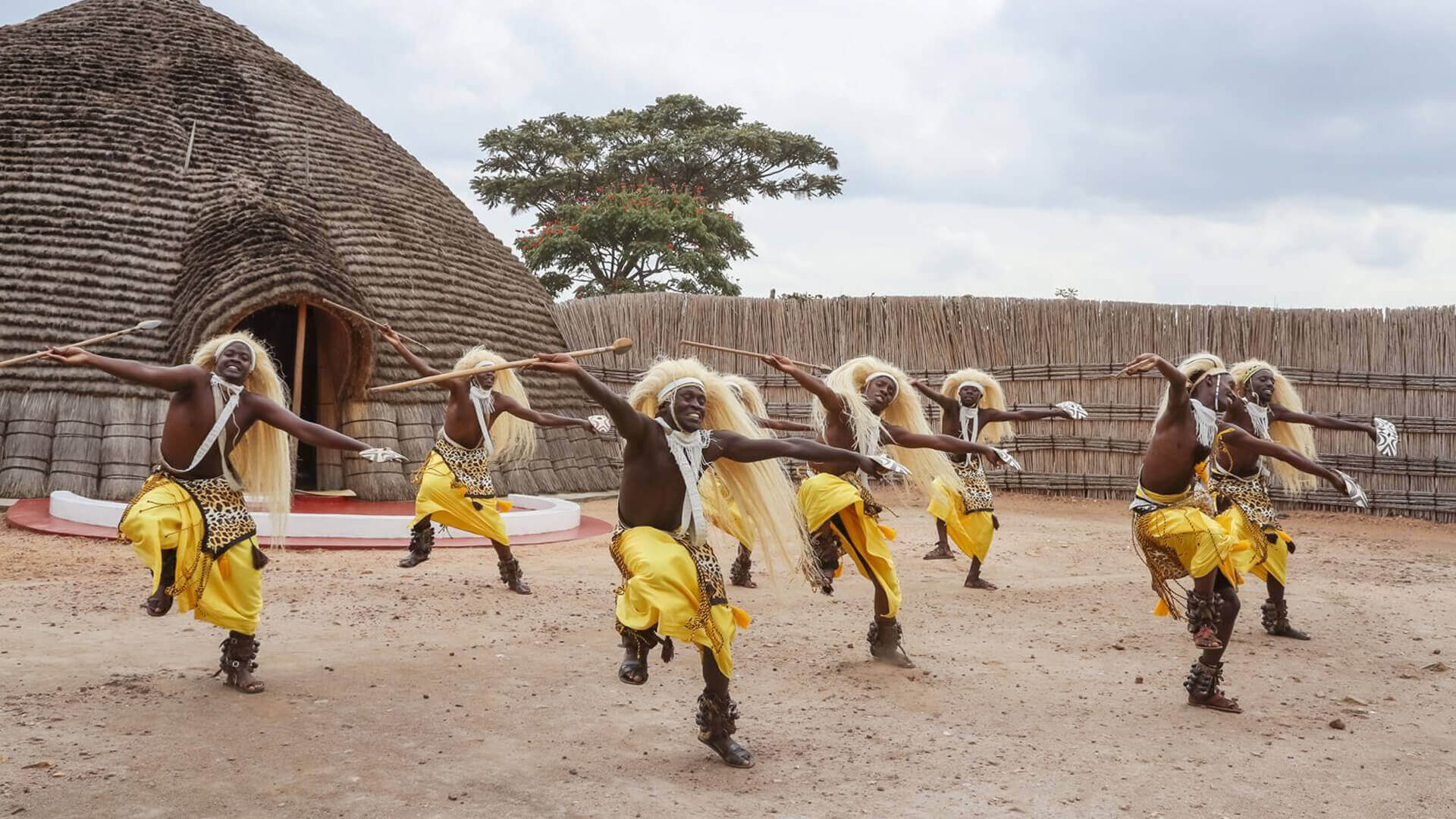
Cultural Village Visits: Immerse yourself in Rwandan culture at community projects like the Iby’Iwacu Cultural Village (now Gorilla Guardian’s Village), where you can learn about traditional living, crafts, and enjoy local dances.
Twin Lakes (Burera & Ruhondo): Enjoy scenic views and boat rides on these beautiful crater lakes.
Volcano Hikes: For the truly adventurous, guided treks up one of the Virunga volcanoes like Mount Bisoke (a day trip) offer stunning views.
10. Gorillas with Apes of Africa Journeys
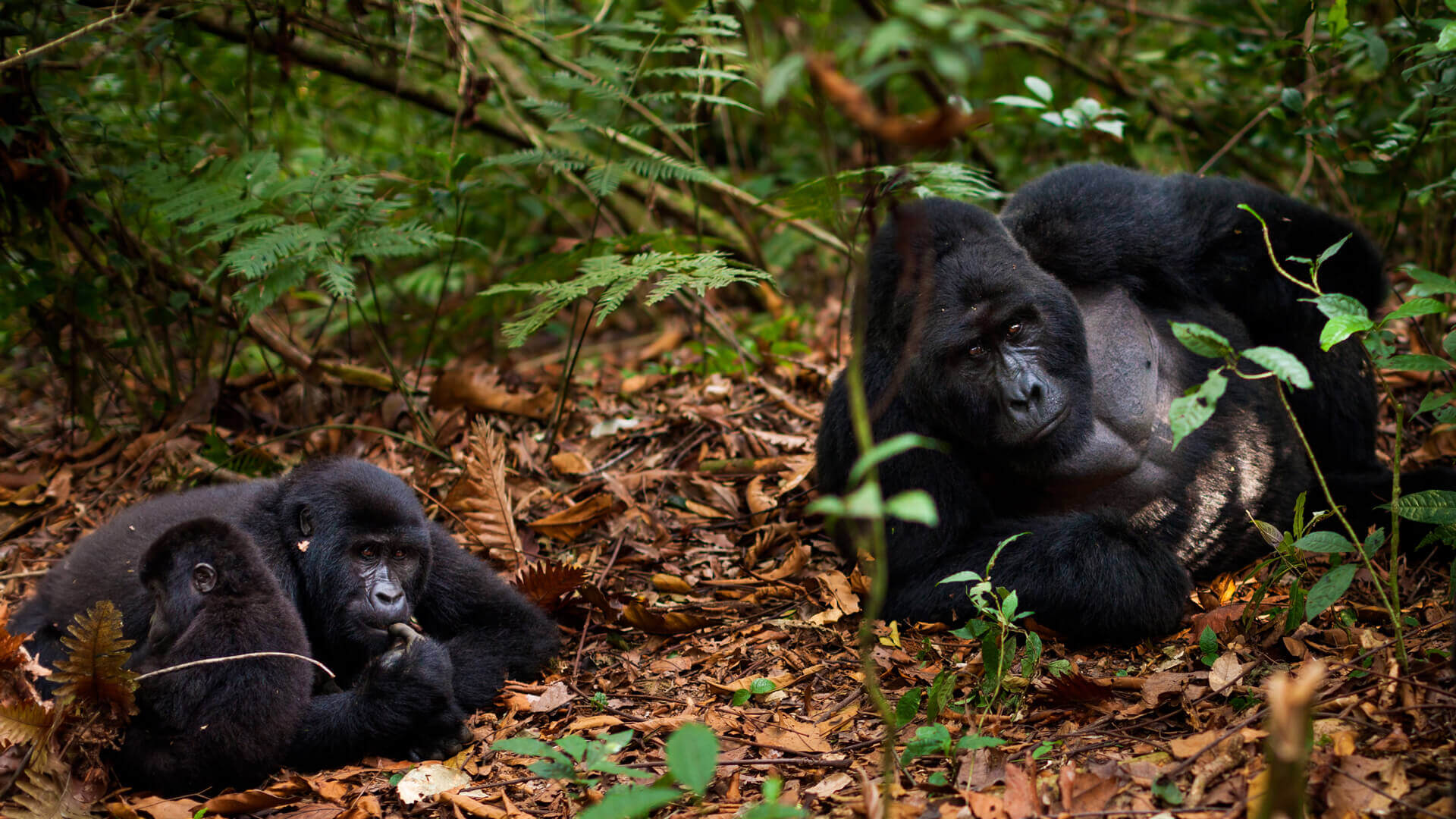
Gorilla trekking in Rwanda is a rare chance, offering a deep, respectful connection with one of our closest relatives in their natural home. When you finally come face-to-face with a gorilla family – perhaps a powerful silverback, curious juveniles, or a mother cradling her infant – it’s often described as a humbling and profoundly moving experience. The quiet observation of their family dynamics, their human-like gestures, and the depth in their eyes creates a feeling of connection that transcends words. This isn’t just a trip; it’s a moment that will shift your perspective.
By understanding the permit process, getting ready for the conditions, and picking the right time to go, you set the stage for this extraordinary journey.
Apes of Africa Journeys focuses on creating well-planned gorilla trips that prioritize your comfort, safety, and, most importantly, the well-being of the mountain gorillas. Our experienced local guides, commitment to thoughtful travel, and organized support mean your careful planning will lead to a trip you’ll always remember. We believe that by providing exceptional, responsible journeys, we contribute directly to the ongoing success of gorilla conservation.