
Overview
Within Kibale National Park, a dense, ancient forest known around the world as the “Primate Capital,” a profound and exhilarating encounter waits: chimpanzee trekking. For Apes of Africa Journeys, this isn’t just about watching; it’s about connecting with these clever beings, understanding their vibrant world, and helping build a future where humans and chimpanzees thrive side by side.
The Lively Encounter
Kibale Forest is home to more than 1,500 chimpanzees, about 25% of Uganda’s total. This means you have a very high chance of seeing them – often over 90%, with some saying success rates hit 99%!
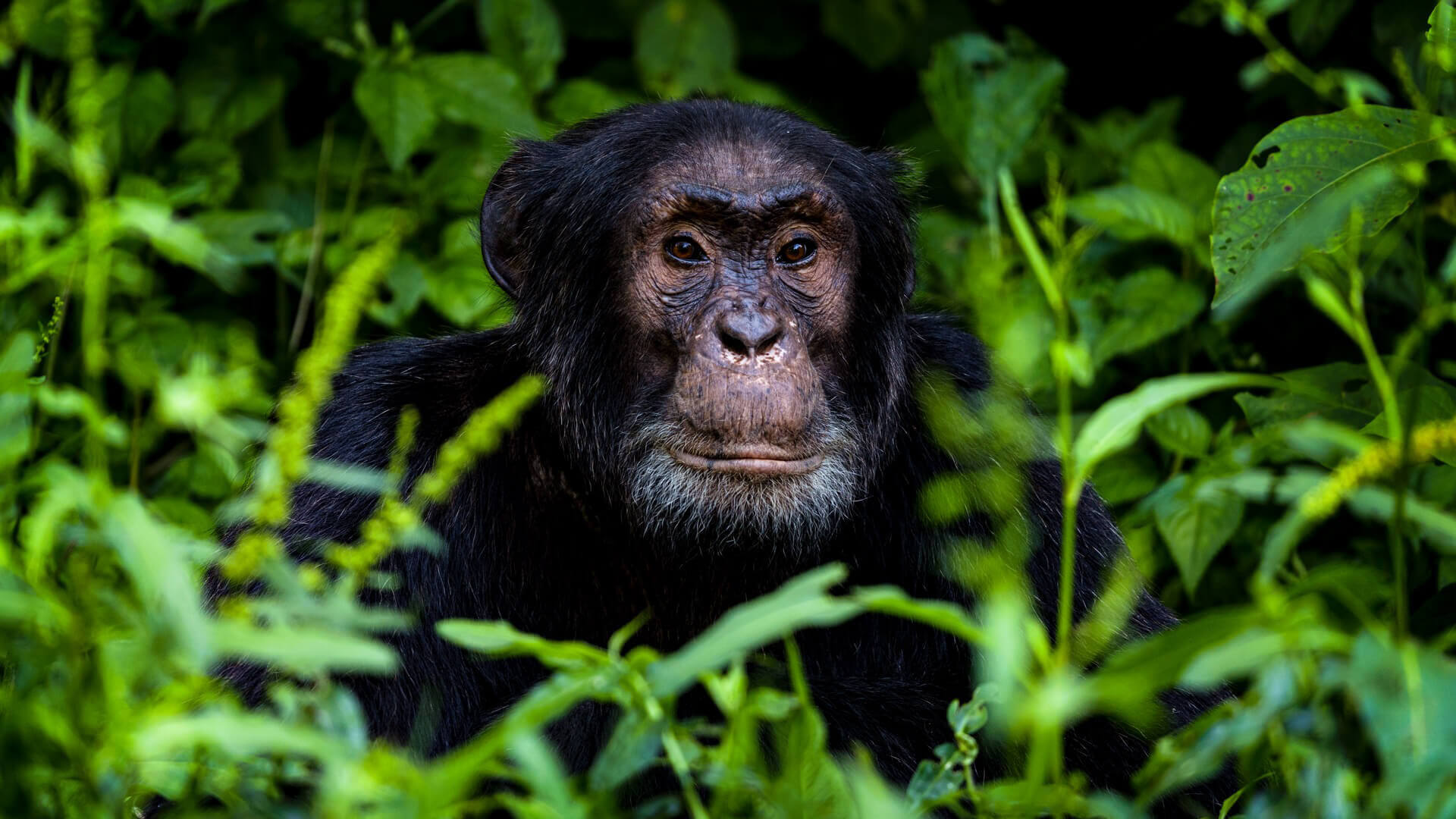
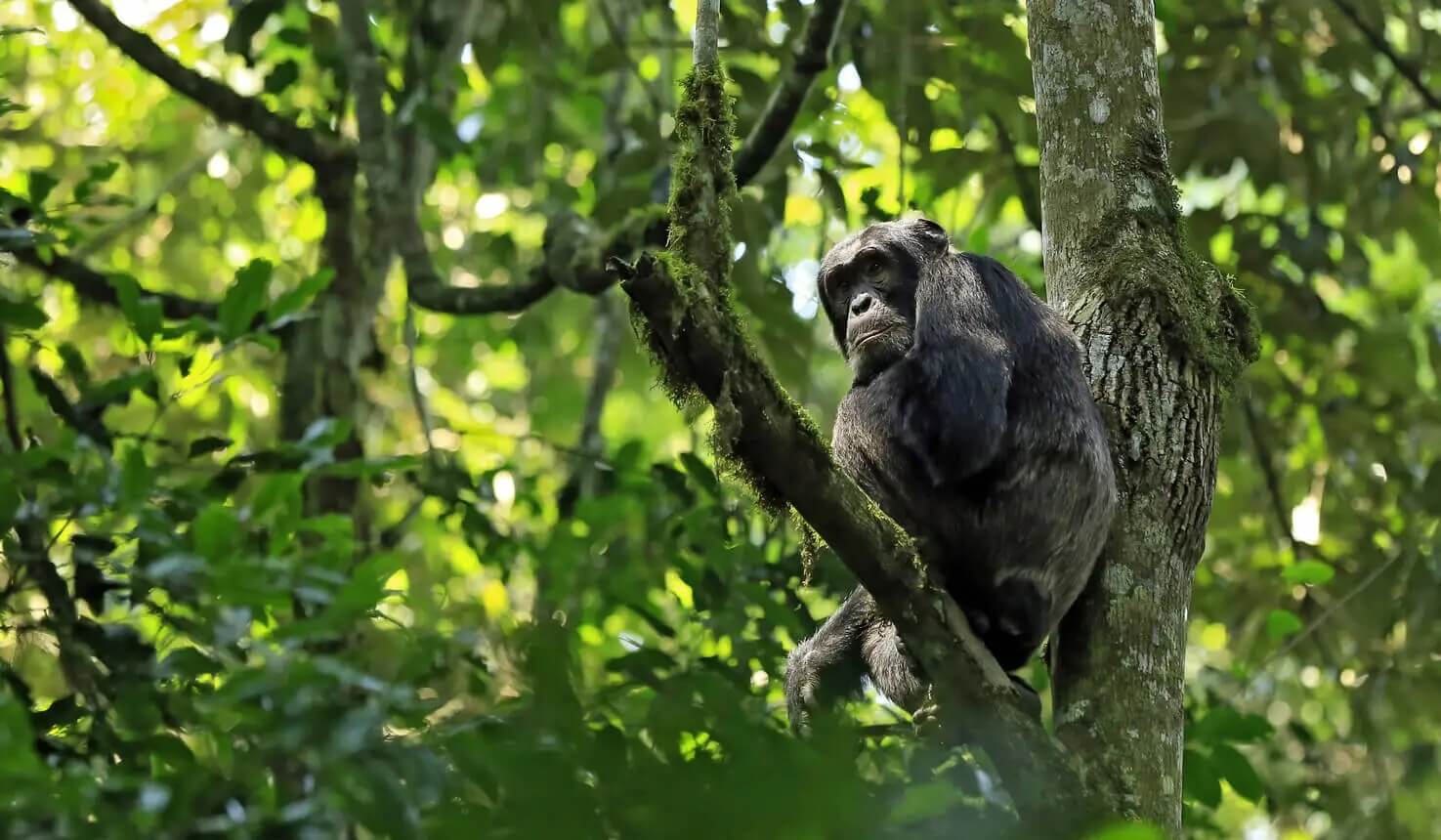
A chimp trek offers a dynamic and high-energy adventure. These nimble apes, who share about 98% of our genetic blueprint, constantly move. They look for food, mostly fruit, but also leaves, flowers, seeds, and even small creatures. They groom each other, play, and talk through a complex range of hoots, pants, and body language. You might watch an alpha male show his strength, a mother gently care for her young (who stay close even after weaning around age three), or a group playfully chase through the treetops.
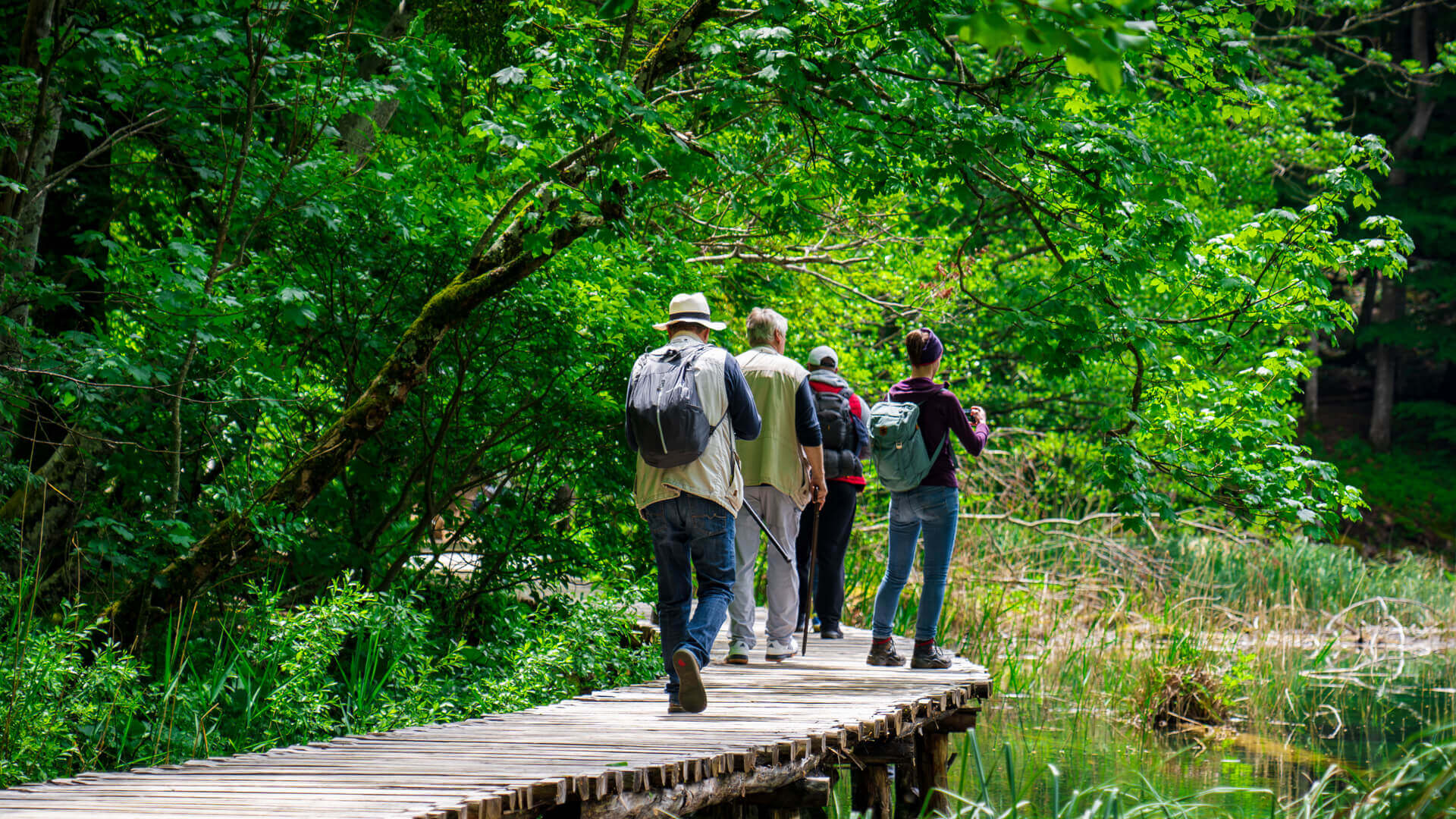
Your experience usually begins at 8:00 AM or 2:00 PM at the Kanyanchu Visitor Centre. Here, skilled Uganda Wildlife Authority (UWA) Rangers and expert guides brief your group. You’ll typically join 5 to 7 other visitors, a small number that helps keep our impact on the chimps low. Once you find them, you spend an exhilarating hour in their presence. You observe their fascinating social lives – a vivid look into a world remarkably similar to our own. While Kibale’s landscape is generally less challenging (lower and flatter), be ready for a brisk pace, as chimps can be agile and spend most of their time in trees, making for an active and immersive pursuit.
For a much deeper connection, the Chimpanzee Habituation Experience (CHEX) allows you to spend a full day, from dawn to dusk (roughly 5:30 AM to 7:00 PM), with a semi-habituated chimpanzee family. This offers rare chances to watch them wake from their nests, search for food, socialize, and build new night nests. You learn directly from the researchers who work to help these chimps grow accustomed to human presence.
Our Pledge to Care
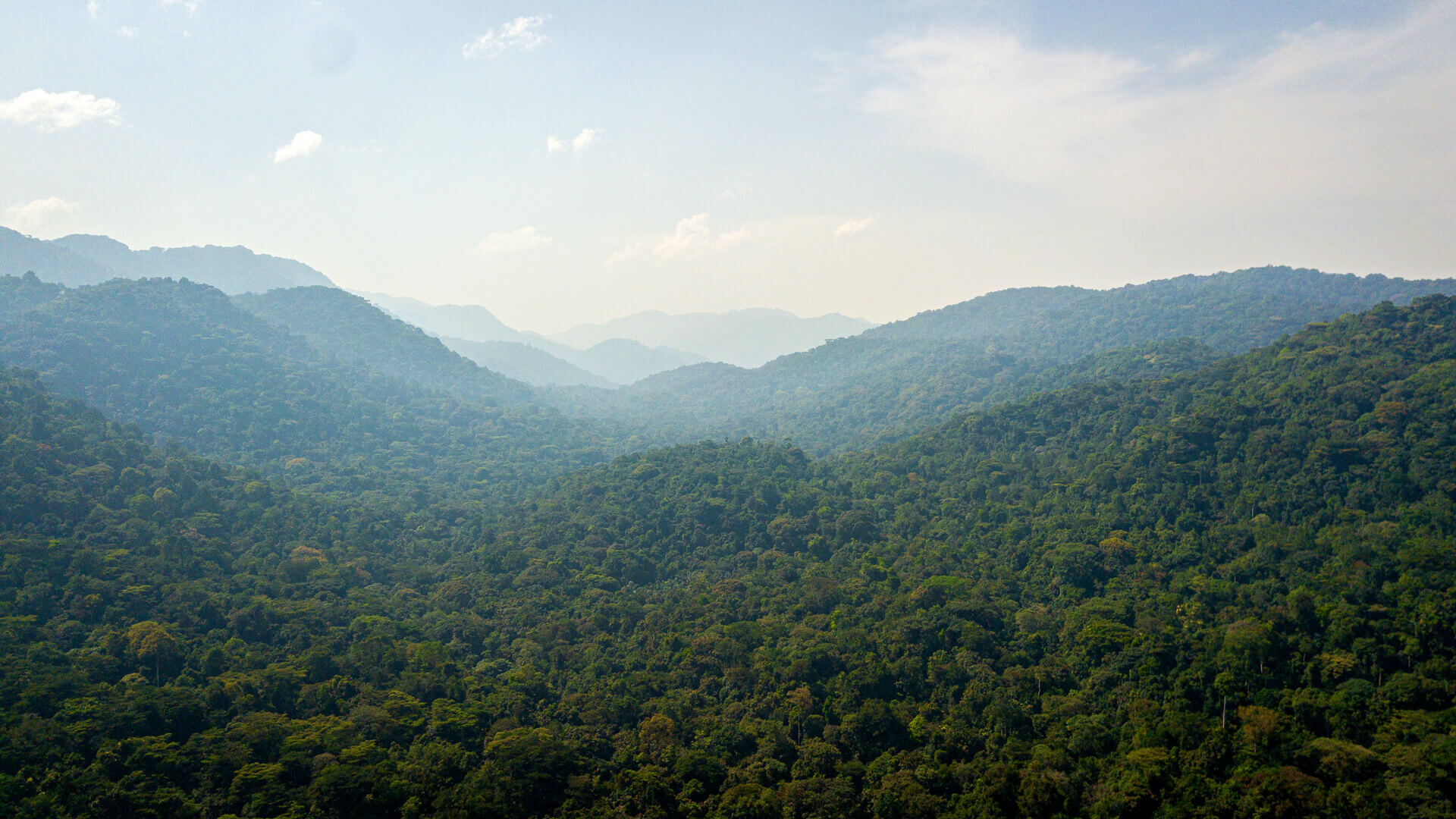
The profound power of a chimp trek comes from its direct, successful conservation impact. It stands as a powerful example of wildlife protection. Every permit you buy for Uganda chimpanzee safaris directly invests in a thriving future for these creatures. Kibale National Park, covering 766 square kilometers, officially became a park in 1993, though its protection began in 1932 as a forest reserve. It safeguards a rich natural world, including 13 primate species (among them endangered red colobus and vulnerable L’Hoest’s monkeys), over 370 bird species, and even forest elephants.
Money from your visit directly supports:
Protecting Their Home: Guarding the rainforest from illegal logging and human expansion. This keeps the chimpanzees’ vital living space whole and healthy. The Kibale Chimpanzee Project (KCP), started by Dr. Richard Wrangham in 1987, runs long-term studies and actively works with UWA to protect the forest.
Stopping Harm: Funding dedicated rangers who patrol the vast forest. They remove dangerous wire snares that can injure or kill chimpanzees and other wild animals. Data from Kibale shows about 20% of chimps have suffered from snare injuries.
Working with Communities: A significant part of the money from park visits (around 20% of entrance fees) directly goes to nearby communities through revenue-sharing plans. This creates real financial benefits, helping local people thrive and building a strong, shared commitment to conservation. Without these stable income chances, communities might turn to forest-damaging activities.
Your Role as a Mindful Explorer
Your journey to meet the chimpanzees brings a significant responsibility. By following ethical guidelines, you become a partner in their survival:
Give Them Space: Always keep a respectful distance (usually 8-10 meters). This lets the chimpanzees move freely. Avoid sudden moves, loud sounds, or direct eye contact, which could upset them. Never use flash photography.
Guard Their Health: Chimpanzees are very similar to us, making them highly vulnerable to human illnesses. It’s crucial that you do not join the trek if you feel unwell, even with a simple cold, flu, cough, or stomach issue. Your honesty directly protects their well-being.
Listen to Your Guides: Always follow the instructions from your UWA rangers and guides. They are highly trained experts focused on your safety and the chimps’ protection.
Age Matters: Everyone joining a regular chimpanzee trek must be at least 15 years old. For the full-day Chimpanzee Habituation Experience (CHEX), the minimum age is also 15. The Uganda Wildlife Authority sets these rules, and they check passports for age.
Leave No Trace: Carry out all your trash. If nature calls, follow your guide’s directions for proper disposal, burying waste at least 30 cm deep away from trails and water. Do not eat food near the chimps.
Support Local Lives: Your presence directly helps the local economy. Consider hiring a local porter for your trek (around $20); their help navigating the forest paths is invaluable, and your payment directly helps their families and communities. Engaging with community-led efforts, such as visiting the Bigodi Wetlands Sanctuary (a successful eco-tourism project near Kibale), provides another direct way to contribute.
Permit Costs (Current as of 2024-2026, Subject to Change):
Chimpanzee Trekking Permit (1 hour with chimps):
Foreign Non-Residents: $250 USD per person.
Foreign Residents: $200 USD per person.
East African Citizens: UGX 180,000 per person.
Chimpanzee Habituation Experience (CHEX) Permit (Full day):
Foreign Non-Residents: $300 USD per person.
Foreign Residents: $250 USD per person.
East African Citizens: UGX 250,000 per person.
Demand for permits is high; book yours well in advance.
Source: UWA
Champions of Nature: Sustaining Kibale’s Wonders
The ongoing health of Kibale’s chimpanzee population comes from the tireless work of various groups, who partner with UWA and get support from mindful visitors like you. Important conservation organizations in Uganda include:
The Jane Goodall Institute (JGI): A world leader in chimpanzee research and protection, JGI works significantly in Uganda to safeguard chimpanzees and their living areas. They engage in community-led conservation and reforestation projects that connect vital chimpanzee habitats.
Kibale Chimpanzee Project (KCP): This long-term research study, based right in Kibale, focuses on understanding chimpanzee behavior, environment, and health, while also working on conservation and education with local communities.
Chimpanzee Sanctuary and Wildlife Conservation Trust (CSWCT) / Ngamba Island Chimpanzee Sanctuary: Located on Lake Victoria, this sanctuary offers a safe home for orphaned and rescued chimpanzees. It educates visitors about their challenges and the need for their protection. They manage the island as an eco-friendly project.
Uganda Wildlife Authority (UWA): This is the main government body in charge of managing Uganda’s national parks and wildlife, including enforcing protection rules and managing all park activities.
Apes of Africa Journeys commits to working with partners who prioritize environmental care. We employ guides and drivers from the region, and ensure all our practices respect the environment.
When you choose us, you directly help:
Chimpanzee wellbeing: Your permit fees and respectful actions power vital conservation and monitoring efforts.
Local communities thrive: Your visit brings real economic benefits, fostering a shared sense of responsibility for the forest and its creatures. This also includes supporting groups like SME (Single Mothers Empowerment) in Entebbe, showing a broader dedication to helping communities grow.
Deeper understanding: Your personal experience inspires a greater appreciation for conservation, helping to share the story of these amazing animals, our closest wild relatives.
Conclusion
A chimpanzee trek in Kibale offers a captivating experience. It’s a chance to step into the dynamic lives of our forest kin, see their intelligence and complex social bonds up close, and play a direct part in their continued survival.
Don’t just watch; get involved. Make your journey a powerful example of thoughtful travel. Choose Apes of Africa Journeys for your next chimpanzee adventure. Know that your experience helps build a positive, thriving future for Kibale’s incredible forest and its lively inhabitants.