
Overview
The majestic mountain gorillas, our close relatives, reside in only a few corners of the world, making an encounter with them an exclusive privilege. When planning this once-in-a-lifetime journey, the choice between Rwanda and Uganda is paramount. While both offer unparalleled wildlife experiences, understanding their nuances will help tailor your perfect safari.
Let’s dive into a detailed comparison to guide your decision for 2025/2026.
1. Permit Costs
This is often the first and most significant differentiator.
Rwanda (Volcanoes National Park):
Standard Permit: US$1,500 per person per trek.
Special Offers (Confirm validity for 2026, generally apply until end of 2025):
15% discount for couples/families visiting other national parks (Nyungwe, Akagera).
Reduced rates for Rwandan and East African citizens/residents.
Consideration: Rwanda has strategically positioned itself as a luxury, high-value destination. The higher permit cost contributes to a potentially more exclusive experience with fewer trekkers per day (limited to 96 permits for 12 habituated families).
Uganda (Bwindi Impenetrable & Mgahinga Gorilla National Parks):
Standard Permit: US$800 per person per trek.
Gorilla Habituation Experience (GHE): US$1,500 per person. This unique permit allows for up to four hours with a semi-habituated gorilla family, a truly immersive experience compared to the standard one hour.
Consideration: Uganda offers a significantly more affordable standard permit, making gorilla trekking accessible to a broader range of budgets. With over 20 habituated families, more permits (160+) are available daily, potentially increasing your chances of securing a spot.
Verdict on Cost: Uganda is the clear winner for budget-conscious travelers seeking the standard one-hour encounter. However, if a deeper, longer interaction is desired, Uganda’s GHE matches Rwanda’s standard permit price for a more extended experience.
2. Accessibility & Travel Time
The journey to the gorilla parks varies greatly, impacting your itinerary’s length and comfort.
Rwanda (Volcanoes National Park – VNP):
International Airport: Kigali International Airport (KGL).
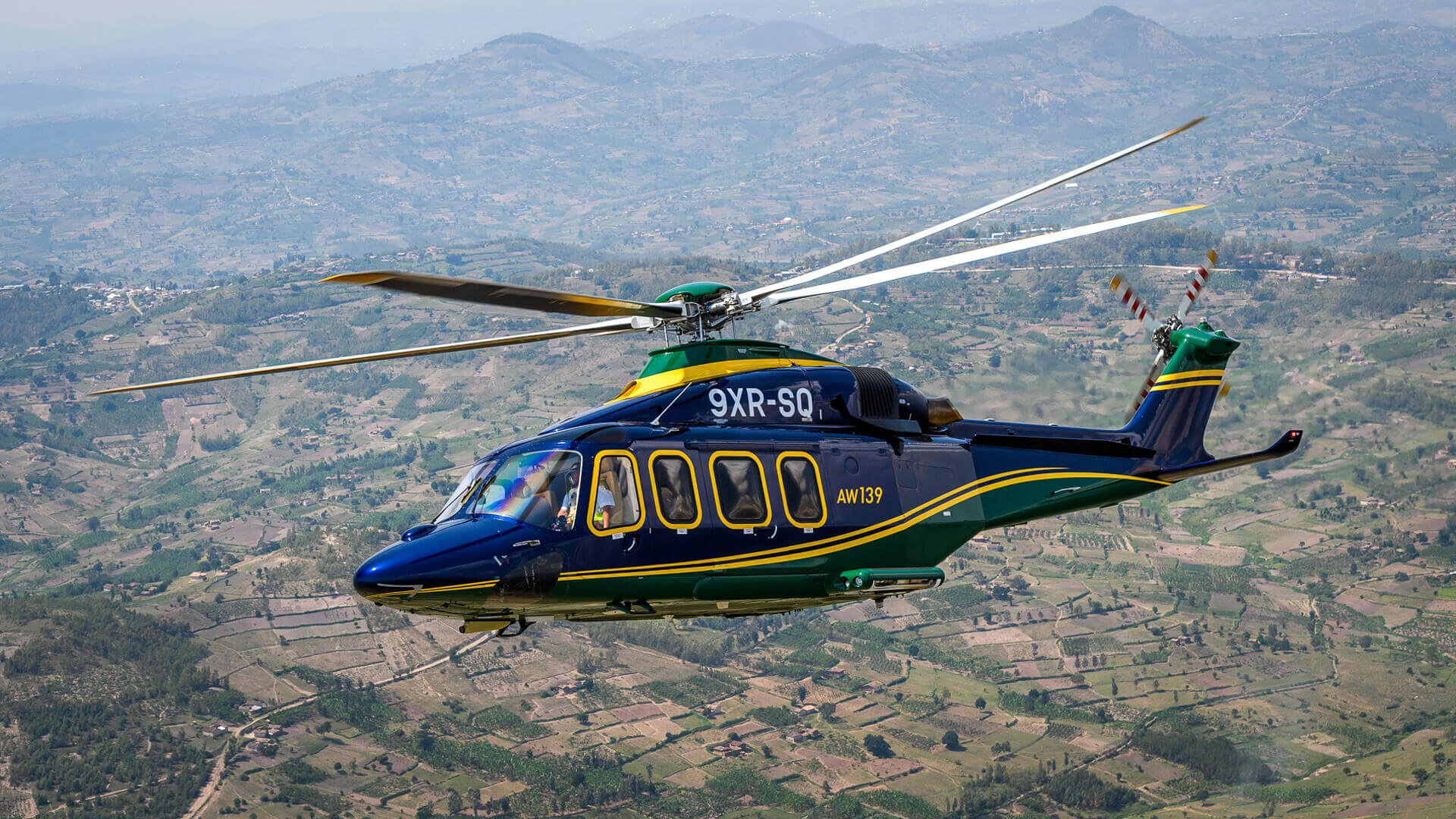
Travel Time: Exceptionally convenient. VNP is a mere 2-3 hour drive north from Kigali on well-maintained, paved roads.
Logistics: This short travel time makes it feasible to fly in, trek the next day, and depart immediately after, ideal for those on a tight schedule. Many visitors opt to stay overnight in Musanze (near the park) for a relaxed morning before the 7:00 AM briefing.
Uganda (Bwindi Impenetrable National Park – BINP & Mgahinga Gorilla National Park – MGNP):
International Airport: Entebbe International Airport (EBB).
Travel Time from Entebbe: A considerably longer journey, typically an 8-10 hour drive by road from Entebbe/Kampala to Bwindi or Mgahinga. Roads can be bumpy, especially closer to the parks.
Domestic Flights: To save time, domestic flights are available from Entebbe/Kajjansi to airstrips near Bwindi (e.g., Kihihi for Buhoma/Ruhija sectors, Kisoro for Rushaga/Nkuringo sectors). These flights take about 1.5 hours, followed by a shorter transfer to the park sector.
Access from Kigali (Popular Option): For those combining gorilla trekking with other Ugandan safaris, flying into Kigali and driving across the border to Bwindi’s southern sectors (Rushaga, Nkuringo) or Mgahinga is a popular and more efficient option, taking approximately 4-5 hours. This requires an East Africa Tourist Visa.
Verdict on Accessibility: Rwanda is superior for ease and speed of access, making it perfect for shorter trips. Uganda requires more dedicated travel time, but offers scenic drives or quicker domestic flights. The Kigali-Uganda connection provides a great alternative for Ugandan treks.
3. Trekking Difficulty & Terrain
While both require a moderate level of fitness, the trekking environments differ.
Rwanda (Volcanoes National Park):
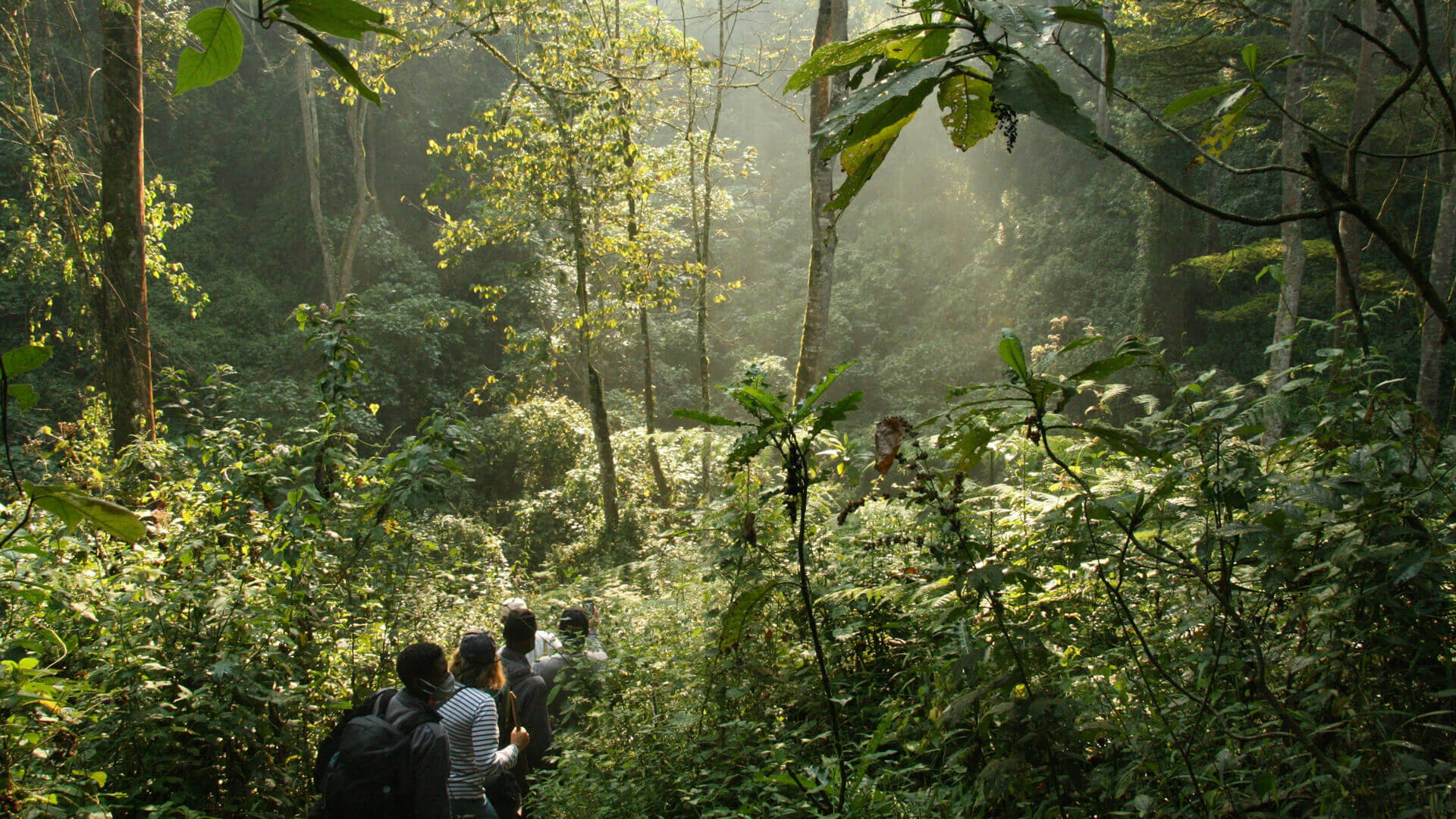
Terrain: Characterized by steep but often more open montane rainforest and bamboo forests. Trails can be slippery, especially after rain, but are generally more defined.
Altitude: Treks occur at higher altitudes (2,500m to 4,500m), meaning thinner air can make breathing more strenuous.
Perceived Difficulty: Often considered less strenuous and generally shorter (typical trek time 1-4 hours to find gorillas), making it a good choice for those who prefer a less physically demanding experience.
Uganda (Bwindi Impenetrable National Park & Mgahinga Gorilla National Park):
Bwindi: True to its name, Bwindi is dense, ancient, and rugged. Expect steep, slippery slopes, thick undergrowth, and a more “bushwhacking” experience where rangers often clear paths with machetes.
Mgahinga: Offers a mix of forest types, including some bamboo, and can sometimes be comparatively less arduous than Bwindi, similar to Rwanda’s terrain in places.
Perceived Difficulty: Treks in Bwindi are generally regarded as more physically demanding and longer (ranging from 2 to 8+ hours). The dense foliage can also make photography more challenging at times.
Altitude: Bwindi’s altitudes (1,160m to 2,607m) are generally lower than Rwanda’s, which can sometimes ease the breathing aspect, but the terrain itself compensates for this.
Verdict on Difficulty: Rwanda typically offers a “gentler” trek, ideal for those with limited mobility or fitness concerns, though porters and sedan chairs are available in both. Uganda, especially Bwindi, delivers a more raw, rugged, and adventurous trekking experience.
4. Gorilla Experience & Habituated Families
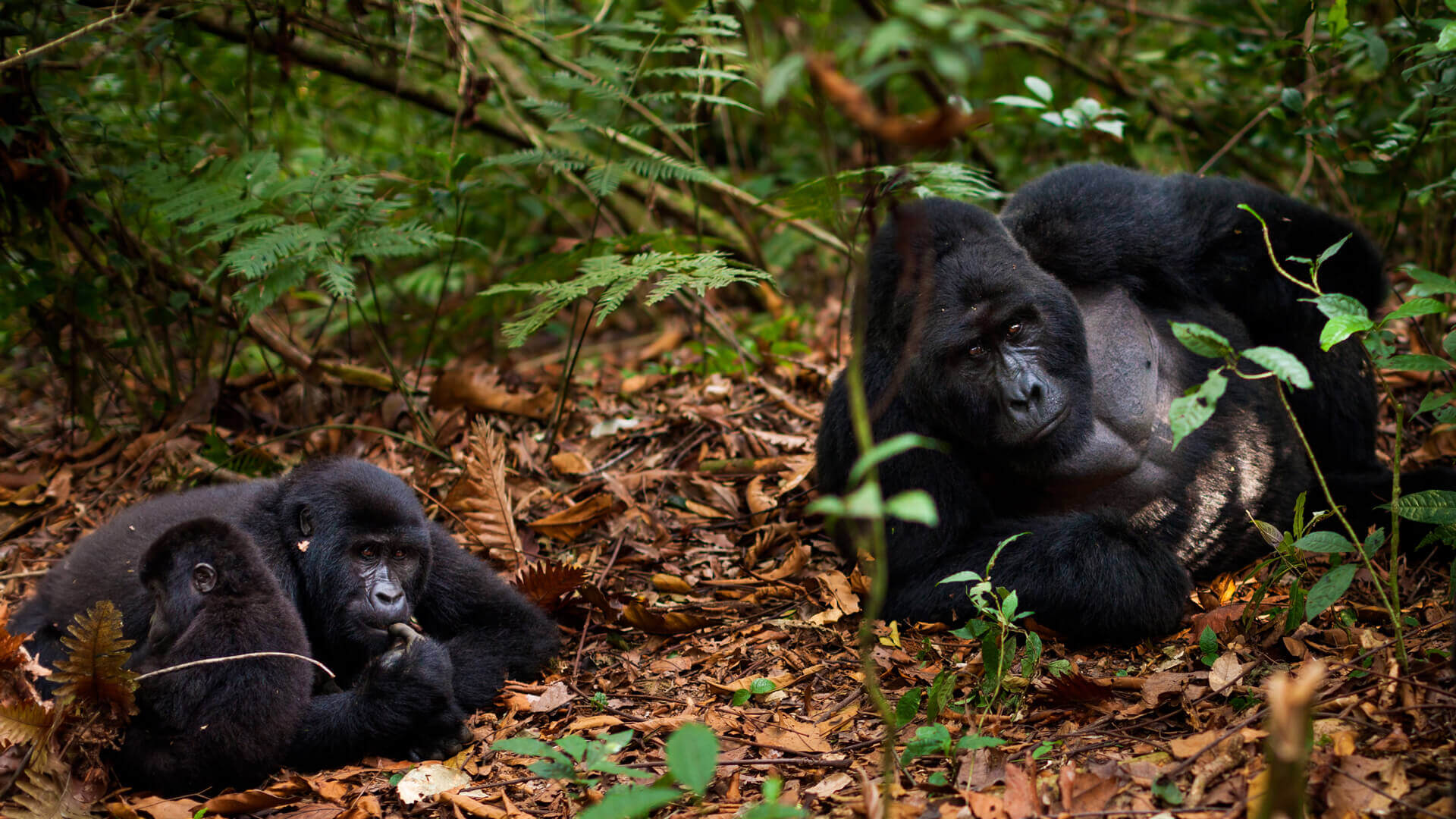
The core experience – one hour with gorillas – is profound in both, but nuances exist.
Rwanda:
Number of Families: 12 habituated gorilla families for tourism, allowing 96 permits daily.
Experience: Due to slightly less dense vegetation, views can sometimes be clearer and photography a bit easier. The focus is intently on the gorillas, given the higher permit cost and the country’s tourism strategy. Groups are generally very well-habituated.
Feel: Often described as a more “boutique” or exclusive encounter.
Uganda:
Number of Families: Over 20 habituated families across Bwindi’s four sectors and Mgahinga, allowing for more daily permits (160+).
Experience: The encounter in Bwindi often feels more immersed in a truly wild jungle. While views can sometimes be more obscured by foliage, the sheer scale of the forest is awe-inspiring. The Gorilla Habituation Experience (GHE) offers an unparalleled four-hour interaction, providing deeper insights into gorilla behavior as they are less fully habituated.
Feel: Can feel more rugged and immersive due to the density of the forest.
Verdict on Experience: Both offer an incredible one-hour encounter. Rwanda might offer slightly easier viewing for photography. Uganda offers more overall group availability and the unique, longer Gorilla Habituation Experience for a deeper immersion.
5. Accommodation Options & Cost
Lodging options cater to different budgets and styles in both countries.
Rwanda:
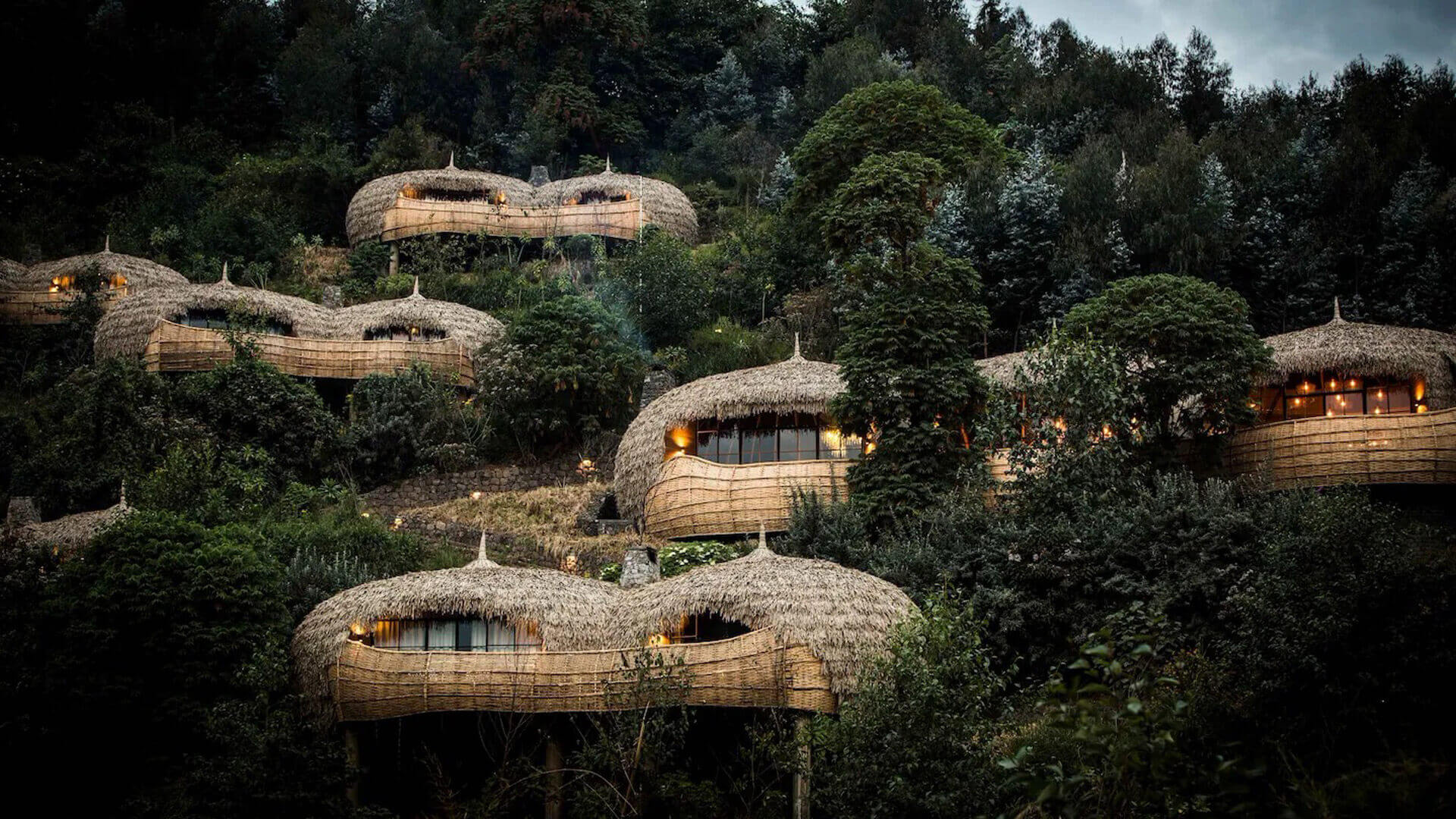
Range: Primarily focuses on luxury and ultra-luxury lodges. These offer exquisite service, stunning views, and often unique architectural designs that blend with the environment.
Cost: Luxury lodges can range from US$800 to US$2,500+ per person per night. Mid-range options (US$300-US$600) are available, and budget hotels can be found in nearby Musanze town (US$60-US$150), though fewer are directly at the park gate.
Examples: Bisate Lodge, Singita Kwitonda Lodge, One&Only Gorilla’s Nest (ultra-luxury); Virunga Lodge, Sabyinyo Silverback Lodge (luxury); Mountain Gorilla View Lodge, Le Bambou Gorilla Lodge (mid-range).
Uganda:
Range: Boasts a broader spectrum of choices, from basic campsites and community guesthouses to comfortable mid-range lodges and an increasing number of high-quality luxury options.
Cost: Budget options can be as low as US$30-US$70 per night. Mid-range lodges typically range from US$150-US$350 per night. Luxury lodges are growing, costing US$400-US$1,000+ per night, often at a more competitive price point than comparable luxury in Rwanda.
Examples: Bwindi Lodge, Sanctuary Gorilla Forest Camp (luxury); Mahogany Springs, Buhoma Lodge (mid-range); various community-run guesthouses (budget).
Verdict on Accommodation: Rwanda excels in high-end, luxury offerings. Uganda provides significantly more choice across all budget levels, making it more flexible for diverse traveler needs.

6. Other Activities & Safari Experience
Consider combining your gorilla trek with other adventures.
Rwanda:
Primates: Golden Monkey Trekking in Volcanoes National Park; Chimpanzee Trekking & Canopy Walk in Nyungwe Forest National Park.
Big Five Safari: Akagera National Park offers a classic savannah safari (Big Five present, though not as prolific as East Africa’s giants).
Culture & History: The profound Kigali Genocide Memorial, vibrant Kigali city tours, local markets, and cultural village visits (e.g., Gorilla Guardian’s Village) in Musanze. Lake Kivu offers relaxation and scenic beauty.
Volcano Hiking: Mount Bisoke (day hike) in VNP.
Focus: Rwanda’s overall safari experience tends to be more curated and compact, often focusing on primates and cultural aspects alongside a shorter savannah safari.
Uganda:
Diverse Wildlife Safari: Uganda is known as the “Pearl of Africa” for its incredible biodiversity. Queen Elizabeth National Park (tree-climbing lions, varied wildlife, Kazinga Channel boat safari), Murchison Falls National Park (powerful falls, Big Five, boat safaris), and Kidepo Valley National Park (remote, pristine wilderness).
Chimpanzee Trekking: Kibale Forest National Park is widely considered the best place in East Africa for chimpanzee trekking, with high success rates.
Adventure Activities: White-water rafting on the Nile in Jinja, mountaineering in the Rwenzori Mountains, boat trips on picturesque lakes like Bunyonyi.
Culture: Rich cultural diversity with numerous opportunities for village walks, traditional dance performances, and community visits.
Focus: Uganda offers a much more comprehensive and varied safari experience, allowing travelers to combine gorillas with diverse wildlife, primate tracking, and adventure pursuits.
Verdict on Other Activities: Uganda offers a significantly broader and more diverse range of complementary activities and a more traditional “full safari” experience. Rwanda provides excellent, quality experiences, but fewer options for extensive big-game viewing.
7. Conservation & Community Contribution
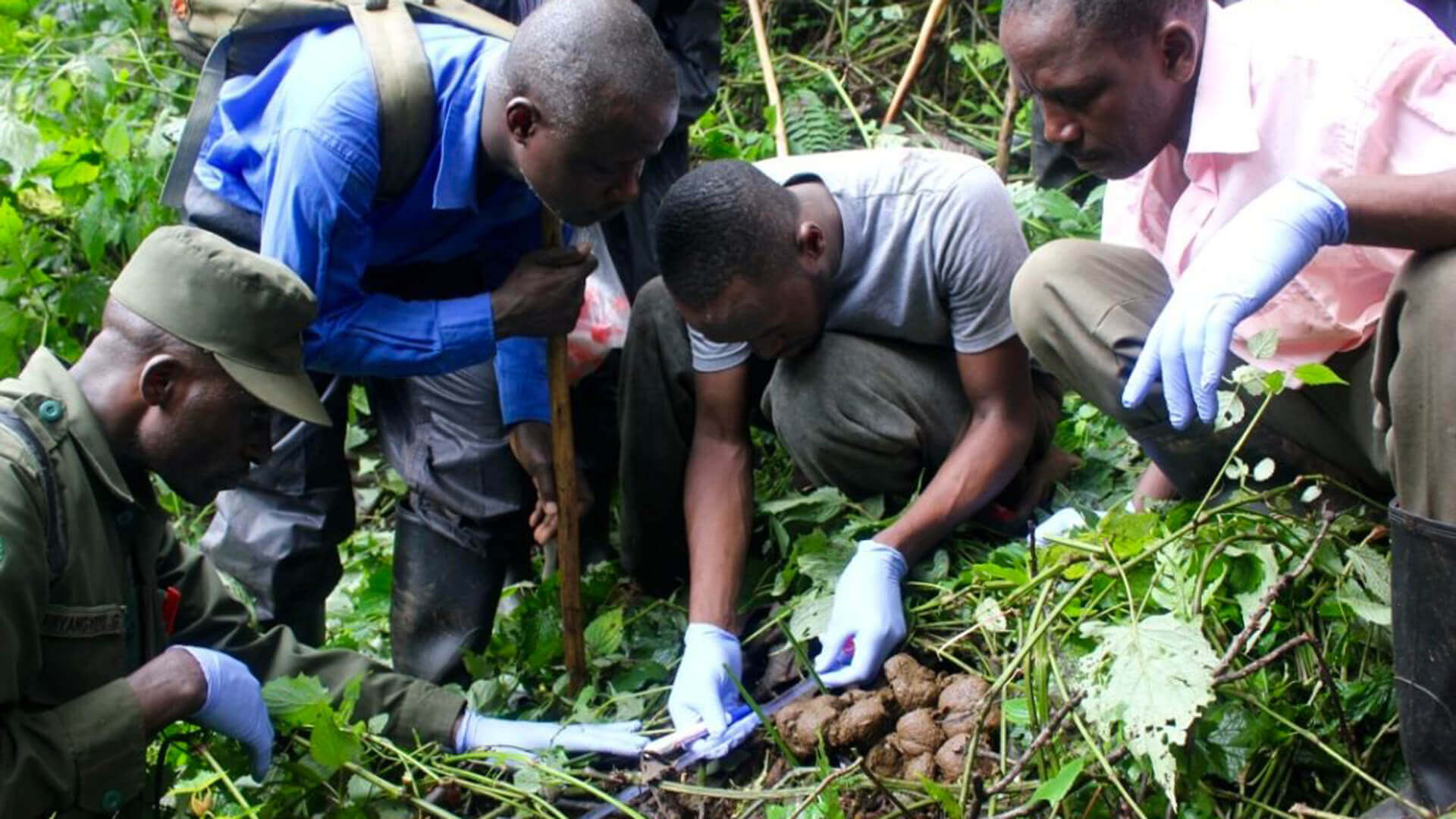
Your permit fee directly supports the survival of these endangered primates and benefits local populations in both nations.
Rwanda:
Conservation Impact: The high permit fee fuels robust anti-poaching initiatives, daily monitoring by highly trained rangers, veterinary care, and ongoing research. Rwanda’s strategy relies on generating significant revenue from fewer visitors.
Community Benefit: Rwanda’s direct revenue-sharing program allocates 10% of park entrance fees directly to local communities. This money funds crucial projects like schools, health clinics, and water infrastructure, creating a direct incentive for communities to protect the gorillas and their habitat.
Uganda:
Conservation Impact: The permit fees contribute substantially to the Uganda Wildlife Authority’s (UWA) extensive conservation efforts, including anti-poaching patrols, gorilla monitoring, and habitat preservation in Bwindi and Mgahinga.
Community Benefit: Uganda also has a revenue-sharing scheme, though the exact percentage can vary. Furthermore, the wider array of tourism activities across the country provides more diverse employment opportunities for local communities, including porters (whose invaluable service is a direct local income), lodge staff, and craftspeople.
Verdict on Contribution: Both countries are leaders in conservation through tourism. By choosing either, you are directly investing in the survival of mountain gorillas and empowering local communities. Rwanda’s higher fee has a more concentrated impact per trekker.
8. Best Time to Visit
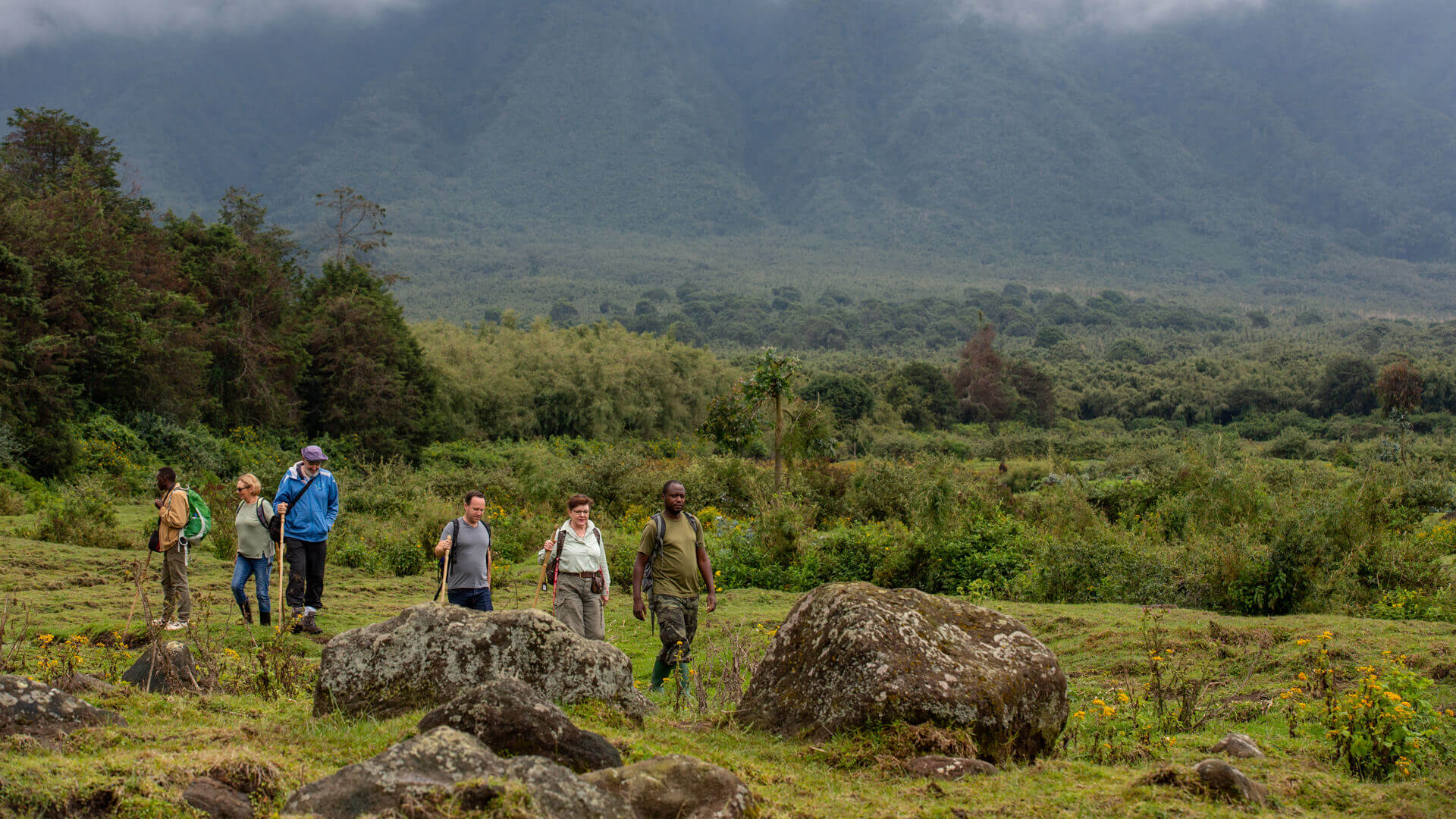
Both countries experience similar equatorial climates with distinct wet and dry seasons.
Dry Seasons (Generally Recommended):
June to August & Mid-December to February:
Conditions: Less rainfall, meaning drier and less slippery trails. This makes trekking easier and offers better photography opportunities with clearer skies.
Consideration: These are peak tourist seasons, so permits and accommodations book up well in advance.
Wet/Rainy Seasons:
March to May & September to November:
Conditions: Trails can be very muddy and challenging. Rain is common, sometimes daily. However, the forest is incredibly lush, and there are fewer tourists, potentially offering a more intimate experience. Gorillas might be found on lower slopes due to abundant food, sometimes leading to shorter treks.
Consideration: Permits are easier to secure, and some lodges may offer lower rates. Rain gear is essential.
Verdict on Best Time: Gorilla trekking is a year-round activity in both countries. Dry seasons offer easier trekking conditions, while wet seasons provide fewer crowds and a lush landscape. Always pack for rain, regardless of the season.
9. Visa Requirements
Always confirm the latest visa requirements with the respective embassies or immigration departments well before your trip.
Rwanda:
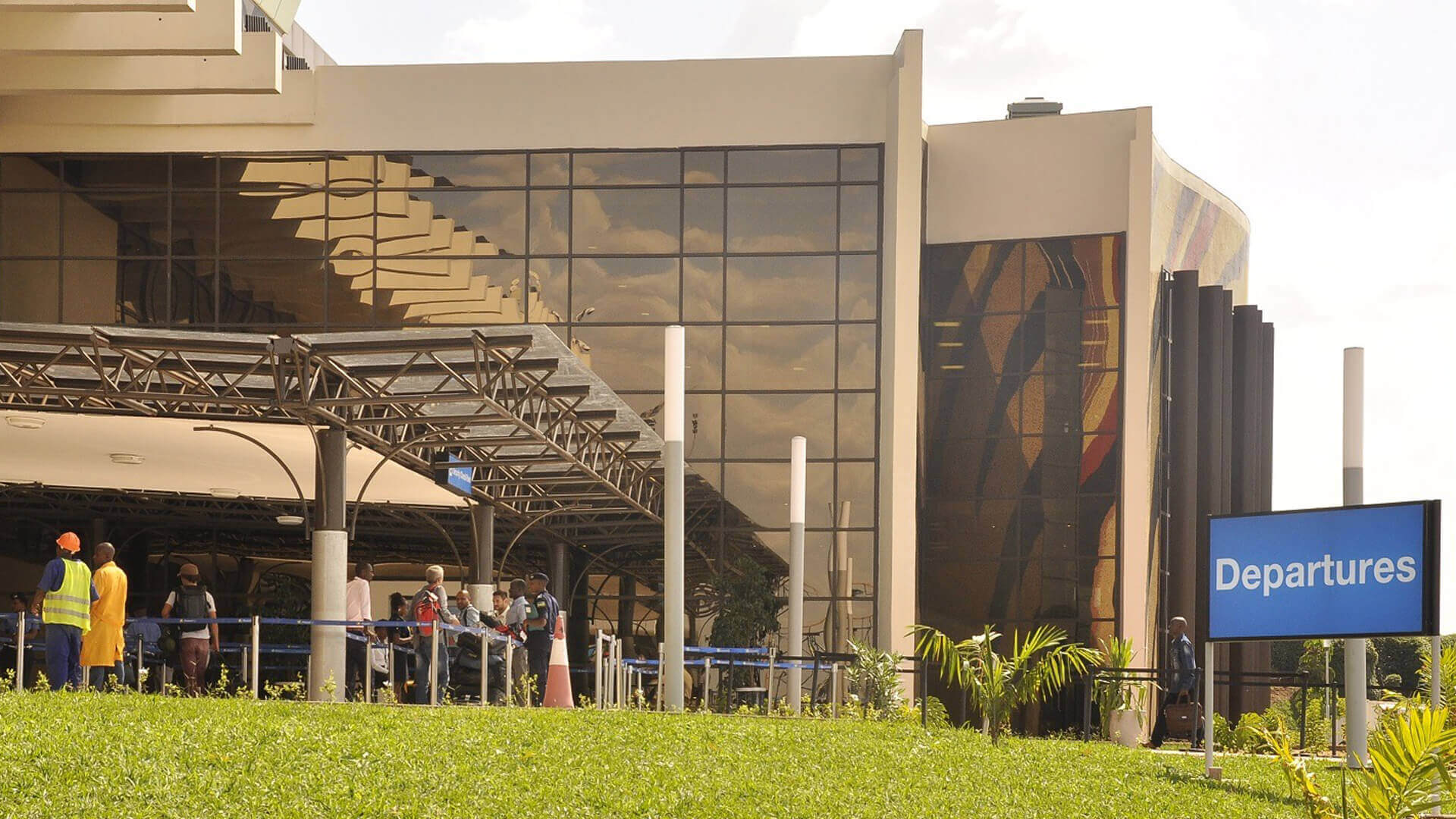
Many nationalities can obtain a visa on arrival at Kigali International Airport (typically US$50).
E-visa application online in advance is also an option.
East Africa Tourist Visa (EATV): This multiple-entry visa (US$100) allows travel between Kenya, Rwanda, and Uganda for 90 days. Ideal if you’re visiting more than one of these countries.
Uganda:
Most nationalities need to apply for an e-visa online in advance (typically US$50). Visas on arrival are generally not granted without prior online approval.
East Africa Tourist Visa (EATV): Also valid for Uganda, as mentioned above.
Verdict on Visas: Both countries require visas for most foreign visitors. The EATV is highly convenient for multi-country East Africa safaris.
10. Overall Value & Recommendation
The “better” country depends entirely on your travel priorities and style.
Choose Rwanda if you are:
Time-limited: Its convenient accessibility from Kigali makes it perfect for short, impactful trips (e.g., 2-3 days).
Prioritizing Luxury & Exclusivity: Willing to invest in a premium experience with high-end lodges and a generally more exclusive feel.
Seeking a Smoother Trekking Experience: Prefer treks that are generally shorter and less physically demanding.
Focused Solely on Gorillas: While other activities are available, the primary draw is the gorilla encounter.
Choose Uganda if you are:
Budget-conscious: The lower permit cost offers excellent value for the standard trek.
Seeking a More Comprehensive Safari: Desire to combine gorilla trekking with diverse wildlife viewing (Big Five, chimpanzees) and other adventure activities.
Open to a More Rugged Trek: Embrace the challenge of a wilder, more physically demanding jungle experience.
Interested in a Deeper Immersion: The Gorilla Habituation Experience (GHE) offers an unparalleled extended encounter.
Have More Time: A longer itinerary allows for a richer exploration of Uganda’s diverse offerings.
In essence:
Rwanda: The “Luxury & Convenient” Trek. Ideal for discerning travelers seeking a streamlined, premium, and focused gorilla encounter, especially when time is a constraint.
Uganda: The “Authentic & Diverse Safari” Trek. Perfect for adventurous travelers seeking a comprehensive East African safari that includes gorillas as part of a wider wildlife and cultural exploration, often at a more accessible price point.
Ultimately, both countries promise a deeply moving and unforgettable encounter with the mountain gorillas. Your choice will shape not just your trek, but your entire African adventure.